

























DNPA gets new leadership: what it means for digital news in India
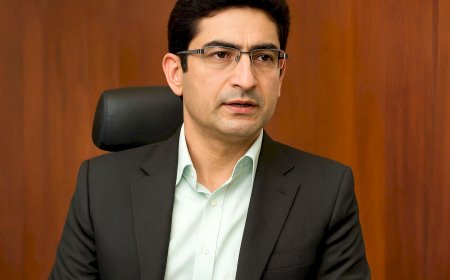
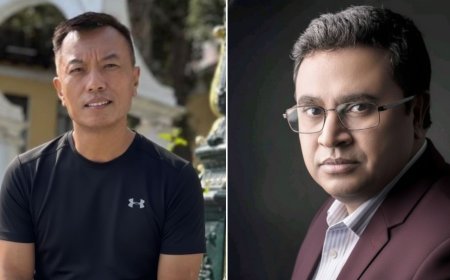
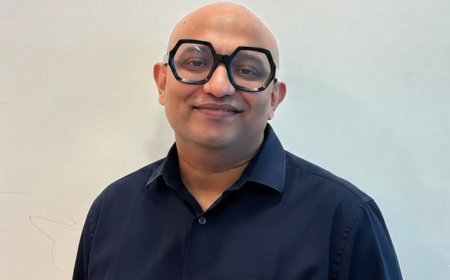
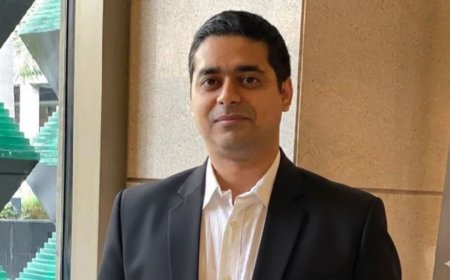
India's Digital News Publishers Association has appointed Puneet Gupt, COO of Times Internet, as its new Chairperson, with Anant Goenka of The Indian Express Group stepping in as Vice Chairperson. The leadership change comes at a defining moment — as AI reshapes content discovery, referral traffic drops, and publisher revenues face pressure. For Indian brands and advertisers, DNPA's new direction on policy and commercial frameworks will directly influence digital news advertising quality, brand safety standards, and the long-term health of India's digital information ecosystem.


Introduction
Who speaks for India's digital news publishers when Big Tech rewrites the rules? That question has never been more urgent. Artificial intelligence is reshaping how news is discovered, aggregated, and monetised — and publishers are caught in the middle. The Digital News Publishers Association just confirmed a leadership change that signals a sharper, more policy-focused era for the industry. Puneet Gupt of Times Internet takes the chair, with Anant Goenka of The Indian Express Group stepping in as vice chairperson. Here's why every brand, advertiser, and media planner should pay attention.
What just happened
At its recent board meeting, the Digital News Publishers Association (DNPA) confirmed Puneet Gupt, Chief Operating Officer of Times Internet, as its new Chairperson. He takes over from Mariam Mammen Mathew, CEO of Manorama Online, who completed her two-year term leading the body through some of the most turbulent years in Indian digital media.
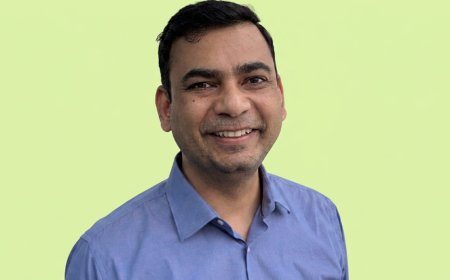
Gupt is not new to the role — he previously served as DNPA's Vice Chairperson, giving him direct continuity with ongoing industry initiatives. Anant Goenka, Executive Director of The Indian Express Group, now steps into the Vice Chairperson seat, while Dhruba Mukherjee continues as Treasurer.
DNPA represents India's most significant digital news publishing houses and functions as the industry's collective voice on policy, platform negotiations, and commercial frameworks. Think of it as the industry's lobbying and standards body — the organisation that sits across the table from Google, Meta, and government regulators when the rules of the digital news business are being written.
What this means for your brand
For advertisers and brand managers, a leadership transition at DNPA might look like internal industry housekeeping. It isn't. Here's why it matters directly to your media strategy.
First, DNPA's stance on AI and content discovery will shape where your ads appear — and at what price. As AI-driven search results and news aggregators increasingly surface content without directing traffic to publisher websites, the economics of digital news advertising are under pressure. A stronger DNPA means stronger negotiating power for publishers, which could translate into better-quality, brand-safe environments for advertisers.
Second, Indian brands that depend on news platforms for contextual advertising — think auto, BFSI, real estate, and consumer electronics — have a direct stake in whether digital news publishers remain commercially viable. If publishers struggle, premium inventory shrinks and programmatic quality drops.
Third, for startup founders and D2C brands building thought leadership through earned media, a healthier digital news ecosystem means more credible, well-funded newsrooms willing to invest in quality journalism — which is ultimately the environment where brand stories land best.
The contrarian view? Some brands have quietly shifted budget away from news environments entirely, citing brand safety concerns. DNPA's new leadership has an opportunity to rebuild that trust — but it will require concrete industry standards, not just policy advocacy.
The numbers behind the news
India's digital news publishing industry is at an inflection point. The country has over 900 million internet users, and news consumption on mobile remains one of the highest-frequency digital behaviours — ahead of social media browsing in several Tier 2 and Tier 3 markets, according to industry estimates.
Yet monetisation has lagged reach. The rise of AI-generated summaries, zero-click search results, and platform aggregation has eroded referral traffic for publishers — a global problem that India's news industry is now confronting head-on.
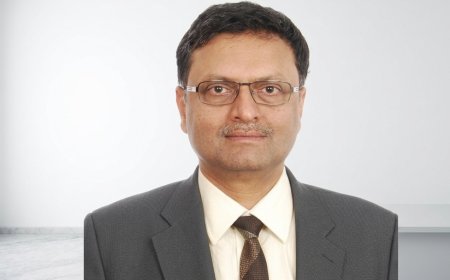
Sujata Gupta, Secretary General and CEO of DNPA, noted that the organisation has spent recent years building credibility, relationships, and frameworks to engage meaningfully on issues that matter most to members. The goal now is translating that foundation into outcomes — on policy, on fair commercial frameworks, and on the long-term sustainability of digital news publishing in India.
That's not a small mandate. It's arguably the most consequential challenge facing the Indian information ecosystem right now.
The brands.in perspective
Leadership changes at industry bodies rarely make headlines outside trade circles. This one deserves wider attention. The battle over how AI platforms compensate news publishers isn't just a media industry problem — it's a brand safety, advertising quality, and democratic information problem all rolled into one.
Puneet Gupt and Anant Goenka inherit a body that needs to move from being a reactive voice to a proactive architect of policy. Indian brands that care about the quality of the media environment they advertise in should be watching — and arguably, engaging — with what DNPA does next.
Key takeaways for marketers
- DNPA's new leadership signals a more assertive policy stance on AI and publishing.
- Times Internet's Puneet Gupt brings operational depth and continuity to the chair.
- Digital news viability directly affects brand-safe advertising inventory in India.
- AI's impact on content discovery is the defining challenge for publishers right now.
- Brands investing in contextual news advertising have a stake in DNPA's outcomes.
Frequently asked questions
Q: What is DNPA and why does it matter to advertisers? DNPA is India's Digital News Publishers Association — the collective voice of major digital news platforms in policy, platform negotiations, and commercial standards. Its decisions directly influence the quality, pricing, and availability of premium digital news advertising inventory in India.
Q: Who is Puneet Gupt and what is his background? Puneet Gupt is the Chief Operating Officer of Times Internet, one of India's largest digital media companies. He previously served as DNPA's Vice Chairperson, making his elevation to Chairperson a natural and well-prepared transition.
Q: How does AI affect India's digital news publishers? AI-powered search and aggregation tools increasingly surface news content without directing users to publisher websites, reducing referral traffic and ad revenue. DNPA is pushing for policy frameworks and commercial agreements that ensure fair compensation for original content creators.
Closing
The rules of digital news are being rewritten — by AI, by platforms, and now by the people India's publishers have chosen to lead their fight. Which side of this shift is your brand on? Share your thoughts below, and follow brands.in for daily intelligence on the stories reshaping Indian media and marketing.
What's Your Reaction?
 Like
0
Like
0
 Dislike
0
Dislike
0
 Love
0
Love
0
 Funny
0
Funny
0
 Angry
0
Angry
0
 Sad
0
Sad
0
 Wow
0
Wow
0