























Why Madhu Soman's Exit Is a Wake-Up Call for Indian Media
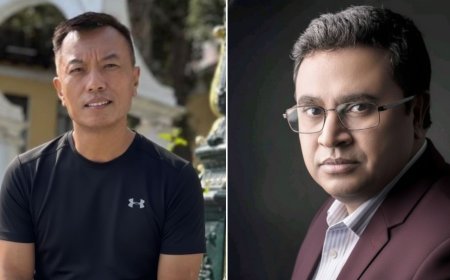
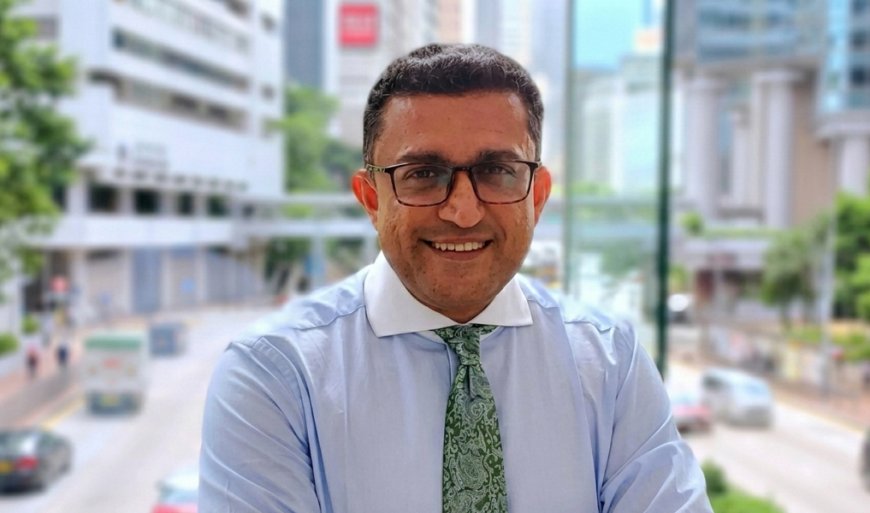
Madhu Soman, former Chief Business Officer at WION and Zee Business under Zee Media Corporation, has announced his departure from Delhi NCR's media ecosystem, returning to Thiruvananthapuram. In a candid LinkedIn post, Soman described himself as a "cultural misfit" and reflected on two years of conversations with leading news networks that led nowhere. With decades of experience at Reuters and Bloomberg, his exit raises hard questions about editorial independence, talent retention, and brand safety in Indian news media. Here's what his departure means for Indian brands, media buyers, and the future of credible journalism in India.

Introduction
How many senior media professionals quietly exit India's news industry not because they failed — but because they refused to compromise? That question sits at the heart of Madhu Soman's decision to leave Delhi's media circuit and return to Thiruvananthapuram. Soman, former Chief Business Officer at WION and Zee Business, didn't just change jobs. He walked away from the ecosystem entirely. For anyone tracking the health of India's media and marketing landscape, his departure deserves more than a passing scroll on LinkedIn.
What Just Happened
Madhu Soman, who served as Chief Business Officer overseeing content and commercial strategy at both WION and Zee Business under Zee Media Corporation, has announced he is leaving Delhi NCR's media ecosystem and returning to his hometown of Thiruvananthapuram.
In a candid LinkedIn post, Soman reflected on roughly two years of conversations with several leading news networks after departing Zee Media — conversations that ultimately led nowhere. He described himself as a "cultural misfit" within the Delhi media environment and suggested that journalism rooted in independence, accuracy, and editorial distance from power was increasingly difficult to sustain in the current climate.
Before Zee Media, Soman spent over seven years at Bloomberg LP as Head of Broadcast Sales for Asia-Pacific, managing strategic partnerships with broadcasters across the region. Prior to that, he held senior editorial roles at Reuters across India and the UK.
His exit is not just a career move. It's a statement.
What This Means for Your Brand
For media buyers, agency planners, and brand managers who allocate advertising budgets across news platforms, Soman's departure signals something worth paying attention to.
When senior editorial-commercial leaders — the people who bridge journalism and business — start walking away from legacy news networks, it raises a pointed question: what is the editorial environment your brand's advertising is funding?
Indian brands spend significantly on news channel advertising, particularly during high-viewership periods like elections, budget coverage, and cricket seasons. But audience trust in news media has been under strain. A brand appearing repeatedly on a channel perceived to lack editorial independence risks an association problem — not immediately, but over time, as audiences grow more discerning.
Consider what has happened at WION in recent years: high-profile exits including anchor Palki Sharma Upadhyay, commercial leadership changes, and a reported decline in both revenue and viewership. Each departure chipped away at a brand identity that had once stood for differentiated global news coverage.
The forward-looking reality? As digital-native news platforms and independent journalism outlets grow their audiences among India's 28-45 urban demographic, media planners need to look beyond raw reach and factor editorial credibility into their channel selection.
Expert Take
Soman's LinkedIn post contained a line that should be framed in every media organisation's boardroom: "Long enough to realise the difference between being unemployed and being unemployable."
It's a sharp distinction. Soman — a professional with a Postgraduate Diploma in Radio and TV Journalism from IIMC, decades of experience at Reuters and Bloomberg, and a track record across broadcast and digital media — was not struggling to find work. He was struggling to find work he could do with integrity intact.
This reflects a broader tension in Indian media. According to the Reuters Institute Digital News Report, trust in news media in India has faced consistent pressure in recent years, with editorial independence cited as a key concern among news consumers. When business leaders with journalism credentials exit citing cultural misfit and editorial compromise, it is a talent and credibility crisis rolled into one.
The brands.in Perspective
Madhu Soman's story is uncomfortable because it forces a conversation the Indian media industry keeps postponing. The talent pipeline for credible, editorially independent journalism is not infinite. When professionals of his calibre — with Bloomberg and Reuters on their CV — conclude that principled journalism has no commercial home in Delhi's media circuit, that's not one person's problem. That's a structural alarm. Indian brands that care about the quality of the media environment they advertise in should start asking harder questions of their media partners. Reach without trust is a depreciating asset.
Key Takeaways for Marketers
- Senior media leader exits point to deeper editorial and cultural issues in news networks
- Brand safety now includes editorial credibility of media partners, not just content adjacency
- WION's high-profile talent losses highlight the cost of cultural and editorial misalignment
- Independent and digital-native news platforms are gaining ground with urban Indian audiences
- Media planners should evaluate editorial reputation alongside TRP and reach metrics
FAQ
Who is Madhu Soman and why does his exit matter? Madhu Soman is a senior media professional with experience at Reuters, Bloomberg, and Zee Media. His voluntary exit from Delhi's media circuit, citing editorial and cultural misalignment, highlights growing tensions between commercial pressures and journalistic integrity in Indian news media.
What happened to WION after Madhu Soman's tenure? WION experienced several high-profile exits including anchor Palki Sharma Upadhyay and commercial leadership changes after 2022. The channel, once recognised for differentiated global news coverage, reportedly saw declines in both viewership and revenue during this period.
Should brands reconsider advertising on news channels with editorial credibility concerns? Brand safety has traditionally focused on content adjacency. However, as audiences grow more aware of editorial independence issues, brands advertising heavily on channels perceived to lack journalistic integrity risk gradual trust erosion among discerning urban consumers.
Let's Talk
Is editorial independence becoming a brand safety issue for advertisers in India — and are media buyers asking the right questions yet? Share your perspective below and follow brands.in for daily brand intelligence that goes beyond the headlines.
What's Your Reaction?
 Like
0
Like
0
 Dislike
0
Dislike
0
 Love
0
Love
0
 Funny
0
Funny
0
 Angry
0
Angry
0
 Sad
0
Sad
0
 Wow
0
Wow
0