


























Parle-G's Bihu Campaign: When a Biscuit Brand Becomes a Cultural Storyteller
Parle-G's two-part Bihu campaign by Thought Blurb Communications earns 12M+ views in a week. Here's why this culturally intelligent campaign is a masterclass in regional brand storytelling.

Introduction
What does a biscuit brand have to do with Bihu?
Everything — if you understand that the most powerful marketing doesn't sell products. It sells feelings that people already carry inside them.
Parle-G has launched one of the most culturally ambitious regional campaigns of 2026 — a two-part film series built entirely around the spirit of Bihu, Assam's most beloved festival. No cricket stars. No Bollywood faces. Just music, nature, the Brahmaputra River, and a quietly profound story about generosity and creative rediscovery.
The numbers are already speaking: over 7 million YouTube views and 5 million Instagram views within the first week of release. But the real story here is strategic — not statistical.
What Just Happened
Parle-G, conceptualised by Thought Blurb Communications, has released a two-part Bihu campaign built around its enduring brand philosophy of finding joy in giving happiness to others.
Part One opened the campaign with a two-and-a-half-minute Bihu music film featuring Assamese actor Partha Hazarika, with music composed by Nilotpal Bora and vocals by Dikshu. Rather than a conventional brand film, this served as an authentic cultural tribute — a celebration of Bihu's musical heritage that resonated deeply with Assamese audiences and drew emotional comparisons to the beloved voice of singer Zubeen Garg, whose absence from the cultural landscape this season was widely felt across the region.
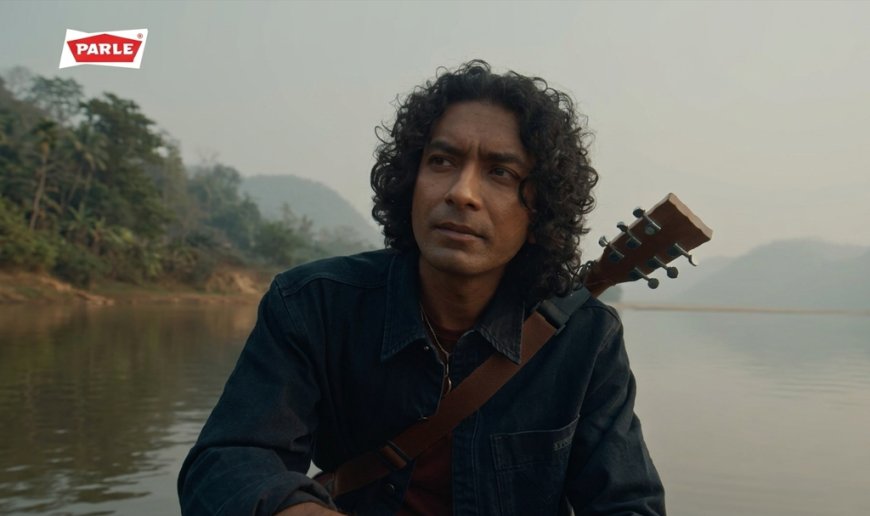
Part Two — the main campaign film — tells the fictional story of Ahir, a musician battling creative block while attempting to compose a Bihu song inside a recording studio. His search for inspiration takes him across Assam's natural landscapes to the banks of the Brahmaputra River, where a boatman named Sagar Neil offers him a perspective that no studio session could: Bihu cannot be manufactured within four walls. It must be lived, breathed, and experienced within nature and community.
The film ends with Ahir rediscovering both his music and his cultural roots — surrounded by a vibrant community Bihu celebration.
What This Means for Your Brand
Parle-G's Bihu campaign is a strategic blueprint for how legacy FMCG brands can build genuine regional equity — and it carries lessons that apply far beyond biscuits.
1. Regional cultural campaigns are outperforming generic national advertising. Indian consumers are increasingly rejecting advertising that feels parachuted in from a Delhi or Mumbai boardroom. Campaigns that demonstrate genuine cultural immersion — not just surface-level festival references — earn trust and attention in ways that mass media spending alone cannot replicate. Parle-G didn't just name-drop Bihu. It built its entire creative architecture around what Bihu actually means to the people of Assam.
2. The two-part campaign structure is a masterclass in audience warming. By leading with a pure music film — one that carried no obvious commercial agenda — Parle-G earned cultural credibility before introducing its brand narrative. When the main campaign film arrived, audiences were already emotionally invested. This sequencing strategy — earn trust first, then tell your brand story — is still underutilised by most Indian marketers.
3. Acknowledging community grief is powerful brand storytelling. The creative team's decision to reference the emotional absence of Zubeen Garg — without naming him directly in the film — showed a rare depth of cultural sensitivity. It told Assamese audiences: we understand your world well enough to feel what you feel. That level of empathetic insight is what separates culturally intelligent campaigns from generic festive advertising.
The forward-looking question: Can Parle-G sustain this level of regional cultural investment across multiple states and festivals? If so, it could redefine what a mass-market FMCG brand's relationship with regional India looks like.
The Numbers Behind the News
The campaign's performance metrics tell a compelling story about the appetite for authentic regional content in India.
7 million YouTube views and 5 million Instagram views within seven days — without the amplification of a major celebrity or a controversial hook — is a remarkable achievement. It reflects a genuine audience response, not just paid media reach.
India's regional content consumption has accelerated dramatically over the past three years. Audiences in states like Assam, Bengal, Tamil Nadu, and Maharashtra are increasingly favouring content that speaks their cultural language — not content that has been translated or adapted from a Hindi-language original.
For FMCG brands with national distribution but regional relevance ambitions, this campaign demonstrates a clear formula: deep cultural research plus authentic local talent plus emotionally intelligent storytelling equals organic reach that paid media struggles to replicate.
Mayank Shah, Vice President at Parle Products, articulated the brand's underlying philosophy with clarity — the campaign is built on the belief that the joy you give is the joy you receive. That value system, expressed through the character of a generous boatman helping a struggling musician, is Parle-G's brand promise made tangible in a cultural context that millions of Assamese viewers immediately recognised as their own.
The brands.in Perspective
Parle-G has done something that very few mass-market Indian brands have managed with consistency: it has made regional cultural storytelling a genuine brand competency — not a one-off campaign experiment.
What makes this Bihu campaign exceptional is its willingness to let culture lead and brand follow. The music film that opened the campaign could have existed without Parle-G's name attached to it. It was that culturally complete. And that restraint — that confidence to trust the story over the sell — is precisely what gave the campaign its extraordinary organic reach.
Thought Blurb Communications deserves equal credit here. The creative insight that Bihu cannot be composed inside a studio — it must be experienced in nature and community — is not just a plot device. It is a profound observation about where authentic creative energy comes from. Translating that insight into a brand film without making it feel like a brand film is genuinely difficult creative work.
The risk for Parle-G going forward: cultural campaigns set audience expectations. Having earned Assam's trust with this level of authentic storytelling, the brand cannot afford to follow it with generic advertising next season. Cultural equity, once built, demands consistent stewardship.
Key Takeaways for Marketers
- Lead with culture, follow with brand — earn audience trust before delivering your commercial message
- Two-part campaign structures create powerful emotional sequencing that single films cannot achieve
- Regional cultural depth beats surface-level festival references — audiences know the difference immediately
- Authentic local talent outperforms celebrity casting in culturally specific regional campaigns
- Acknowledging community emotions — even indirectly — builds brand empathy that lasts beyond a campaign cycle
FAQ
Q: What is Parle-G's Bihu campaign about? Parle-G's two-part Bihu campaign celebrates the cultural and emotional essence of Assam's Bihu festival through music and storytelling. The first film is a cultural music tribute, while the second follows a musician who rediscovers his creative voice through nature, community, and an act of quiet generosity by a boatman.
Q: Who created the Parle-G Bihu campaign? The campaign was conceptualised by Thought Blurb Communications, with creative leadership from Chief Creative Officer Vinod Kunj, National Creative Director Renu Somani Karwa, and Executive Creative Director Auryndom Bose. The music film features Assamese actor Partha Hazarika, with music by Nilotpal Bora and vocals by Dikshu.
Q: Why did the Parle-G Bihu campaign perform so strongly on social media? The campaign earned over 12 million combined views across YouTube and Instagram within its first week because it prioritised authentic cultural storytelling over conventional brand advertising. By leading with a music film that felt genuinely Assamese — and by acknowledging the community's emotional connection to regional musical heritage — the campaign resonated deeply with its target audience.
Closing CTA
Parle-G has proved that a 75-year-old biscuit brand can be one of India's most culturally intelligent marketers — when it chooses to listen before it speaks. Do you think regional cultural campaigns represent the most underutilised opportunity in Indian brand marketing today?
Share your perspective below — and follow brands.in for daily campaign breakdowns, creative strategy analysis, and brand intelligence that keeps India's most curious marketers one step ahead.
What's Your Reaction?
 Like
0
Like
0
 Dislike
0
Dislike
0
 Love
0
Love
0
 Funny
0
Funny
0
 Angry
0
Angry
0
 Sad
0
Sad
0
 Wow
0
Wow
0