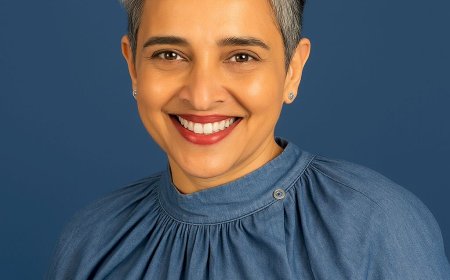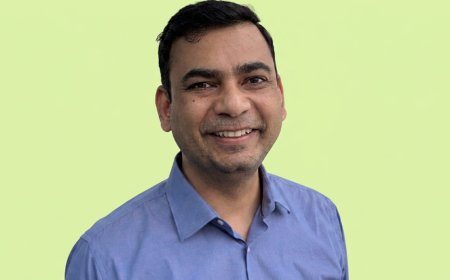

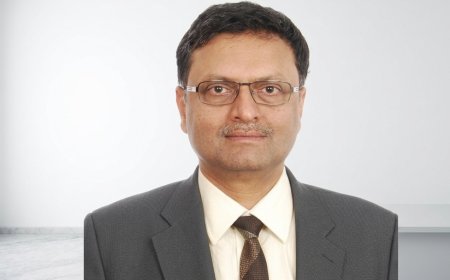








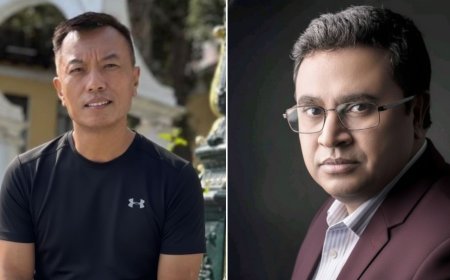



















Cipla's Leadership Transition: What Umang Vohra Built and What Achin Gupta Inherits
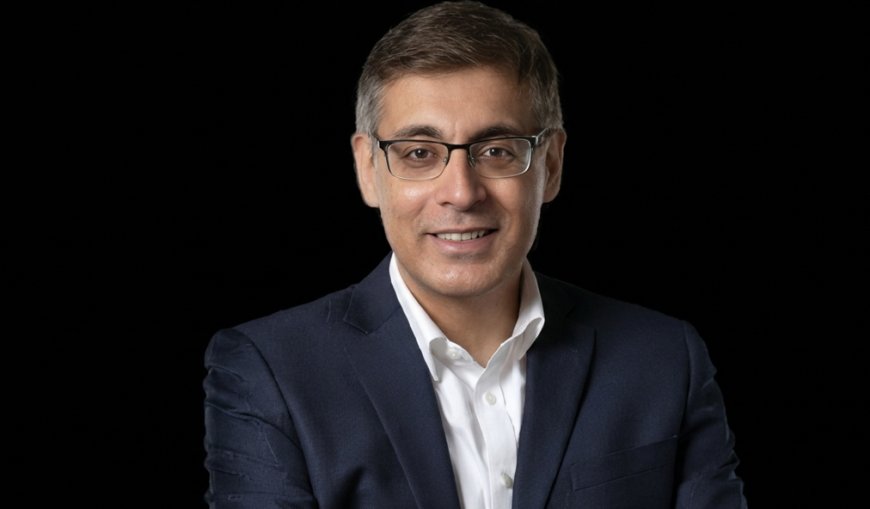
Umang Vohra has stepped down as Cipla's Managing Director and Global CEO after a decade-long tenure, with Achin Gupta taking over effective April 1, 2026. Gupta, formerly Cipla's Global COO overseeing three billion dollars in revenue, brings deep operational expertise from Glenmark, Abbott, and A.T. Kearney. A masterclass in structured succession planning from one of India's most trusted pharmaceutical brands.

Introduction
leadership transitions at india's most iconic companies are rarely just personnel changes — they are inflection points that reveal where a brand has been and signal where it intends to go next. umang vohra's decade-long tenure at cipla transformed one of india's most respected pharmaceutical companies into a genuinely future-ready global organisation. his successor, achin gupta, steps into a role defined by both extraordinary legacy and significant opportunity. for brand leaders, investors, and healthcare industry watchers, this transition at cipla is a masterclass in structured succession planning done with intention, care, and strategic clarity.
The Big Announcement
Umang Vohra has formally stepped down as Managing Director and Global Chief Executive Officer of Cipla, concluding a ten-year leadership journey at the pharmaceutical major. Achin Gupta has assumed the role of MD and Global CEO with effect from April 1, 2026, for a five-year term — bringing deep operational experience and a well-documented track record within Cipla's own leadership structure.
Gupta's appointment follows a carefully managed transition period. He had been serving as Cipla's Global Chief Operating Officer before being designated MD and Global CEO from January 2026, giving him a structured three-month handover window. This deliberate approach to succession reflects Cipla's broader organisational philosophy of continuity, internal capability development, and long-term strategic thinking.
Vohra joined Cipla in 2015 as Global Chief Financial and Strategy Officer before being elevated to the MD and Global CEO role in 2016. Prior to Cipla, he held senior leadership positions at Dr. Reddy's Laboratories spanning nearly fourteen years, alongside earlier roles at Eicher Motors and PepsiCo India — bringing cross-industry financial and operational depth to his pharmaceutical leadership mandate.
What This Means for Your Brand
While Cipla is a pharmaceutical company rather than a traditional consumer brand, this leadership transition carries strategic lessons that resonate well beyond the healthcare sector. Three perspectives are particularly relevant for brand and business leaders.
Structured succession is itself a brand signal. How a company manages its leadership transitions communicates volumes about its internal culture, board governance quality, and long-term organisational confidence. Cipla's decision to designate Gupta three months before the official handover — allowing a structured overlap and knowledge transfer period — reflects mature institutional thinking. For Indian conglomerates and family-owned businesses still treating succession as a crisis to be managed rather than a process to be planned, Cipla's approach offers a model worth studying carefully.
Internal promotions build institutional momentum. Gupta is not an external hire parachuted in to signal disruption. He is a deeply embedded Cipla leader who previously managed over three billion dollars in revenue as Global COO, overseeing commercial operations, supply chain, and manufacturing globally. His elevation sends a clear message to the organisation — capability developed from within is valued and rewarded. That signal has a direct and measurable impact on talent retention, employee confidence, and organisational culture continuity.
The next phase of Cipla's global story will be built on operational excellence. Vohra's decade was characterised by strategic transformation and portfolio diversification. Gupta's background — having led Cipla's India business to 1.2 billion dollars in revenue and overseen global commercial operations — suggests the next chapter will be defined by disciplined execution, scale, and market expansion. For healthcare investors and partner brands, this shift from transformation to execution represents a maturing of Cipla's global ambitions.
The Numbers Behind the News
The scale of what Achin Gupta inherits provides important context for understanding the magnitude of this leadership responsibility. As Global COO, Gupta directly oversaw a business generating over three billion dollars in annual revenue across global markets — making Cipla one of India's largest and most internationally diversified pharmaceutical companies.
Gupta's professional trajectory before joining Cipla adds further depth to his leadership profile. He spent over eight years at Glenmark Pharmaceuticals in executive roles spanning Europe, the Middle East and Africa, and Latin America — building genuine multi-regional operational experience. He also held a strategic planning directorship at Abbott Laboratories and began his professional career in management consulting at A.T. Kearney, giving him a rare combination of strategy, operations, and commercial leadership experience across the global pharmaceutical value chain.
Cipla's India business alone, which Gupta helped scale to 1.2 billion dollars in revenue under his leadership of the One India business unit, represents one of the most significant domestic pharmaceutical market achievements of the past decade.
Expert Take
Umang Vohra's reflections on his decade at Cipla, shared publicly as part of the leadership transition, offered a revealing window into the values that defined his tenure. He described Cipla's journey as one anchored in core values of care and compassion for patients — framing the company's commercial success as inseparable from its patient impact mission. His reference to a collaborative spirit that allowed the organisation to navigate demanding challenges with collective resilience speaks to a leadership style that prioritised culture as a competitive advantage alongside financial performance.
His acknowledgement that Cipla's impact on communities and patients served as a daily reminder that its mission extends far beyond business metrics reflects a brand philosophy that has earned Cipla enduring trust across generations of Indian healthcare consumers. That reputational equity — built painstakingly over decades — is the most valuable asset Achin Gupta now stewards.
The brands.in Perspective
Here is what makes the Cipla succession story genuinely instructive for the broader Indian business community. In an era when leadership transitions at major companies are too often characterised by abrupt departures, internal power struggles, or reactive external searches, Cipla has demonstrated that thoughtful succession planning is not just good governance — it is a powerful brand strategy in itself. Every stakeholder group that matters to Cipla — patients, healthcare professionals, investors, employees, and partner organisations — receives a clear and reassuring message from this transition: this is a company that thinks in decades, not quarters. That kind of institutional confidence is extraordinarily difficult to manufacture and exceptionally easy to destroy. Cipla has protected and strengthened it.
Key Takeaways for Marketers
- Umang Vohra has stepped down as Cipla MD and Global CEO after a ten-year tenure that transformed the company into a future-ready global pharmaceutical organisation
- Achin Gupta assumes the MD and Global CEO role from April 1, 2026, for a five-year term, having previously served as Global COO overseeing three billion dollars in revenue
- Gupta's prior experience spans Glenmark Pharmaceuticals across Europe, MEA and LATAM, Abbott Laboratories, and A.T. Kearney management consulting
- Cipla's structured three-month designation period before the official handover reflects best-practice succession planning that Indian businesses across sectors should study
- Internal leadership elevation sends a powerful organisational signal about culture, capability development, and institutional continuity
FAQ
Q: Why is Umang Vohra stepping down from Cipla? Vohra concluded a planned decade-long leadership tenure at Cipla, having joined in 2015 and served as MD and Global CEO since 2016. His departure follows a structured succession process rather than any abrupt circumstance, reflecting deliberate long-term leadership planning at the board level.
Q: Who is Achin Gupta and what experience does he bring to the Cipla CEO role? Achin Gupta is a seasoned pharmaceutical executive who previously served as Cipla's Global COO, managing over three billion dollars in revenue. He also led Cipla's One India business to 1.2 billion dollars in revenue. Before joining Cipla, he held senior roles at Glenmark Pharmaceuticals across multiple international regions, a strategic planning position at Abbott Laboratories, and began his career at A.T. Kearney.
Q: What does this leadership change mean for Cipla's strategic direction? Gupta's operational background suggests Cipla's next phase will focus on disciplined global execution and market expansion, building on the strategic transformation and portfolio diversification that defined Vohra's tenure. The continuity of internal leadership signals that Cipla's core values, patient-first philosophy, and long-term growth strategy will remain consistent under new leadership.
Closing
Umang Vohra's decade at Cipla will be remembered as a period of genuine organisational transformation — one that took a respected Indian pharmaceutical institution and prepared it for the demands of a complex, competitive global healthcare market. Achin Gupta inherits not just a title but a carefully constructed platform for the next chapter of Cipla's global ambitions. The transition is clean, the mandate is clear, and the foundation is solid. In Indian corporate life, where succession stories so often end in turbulence, Cipla's approach stands as a quiet but powerful example of what leadership done right actually looks like.
What do you think defines truly successful leadership succession in Indian companies — internal promotion or external disruption? Share your perspective below, and follow brands.in for daily brand intelligence, corporate leadership insights, and business news that keeps India's marketing and management community sharp, informed, and ahead of the curve.
What's Your Reaction?
 Like
0
Like
0
 Dislike
0
Dislike
0
 Love
0
Love
0
 Funny
0
Funny
0
 Angry
0
Angry
0
 Sad
0
Sad
0
 Wow
0
Wow
0