
































Game On: How Mobile Gaming Became the Next Frontier for Smartphone and Telecom Brands
As mobile gaming surges in popularity, smartphone and telecom brands are racing to optimize hardware, networks, and partnerships to win over this fast-growing user base.

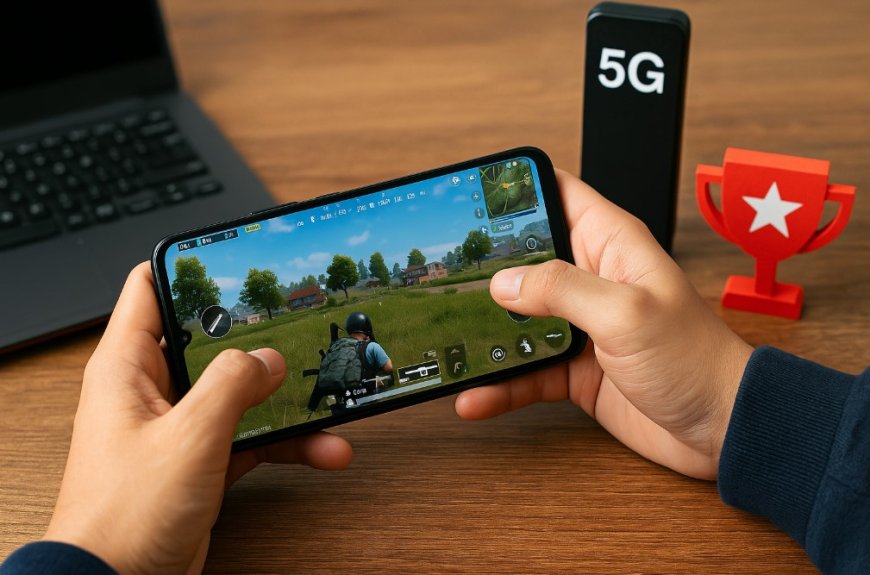
Introduction: The Rise of a New Digital Arena
In the rapidly evolving digital landscape, mobile gaming has emerged as one of the most competitive arenas—not just for developers and players, but for smartphone makers and telecom giants. With mobile games generating billions of downloads and commanding daily screen time for millions, the sector has grown beyond entertainment—it’s now a critical strategic battleground for brands aiming to dominate the digital economy.
As the gaming experience becomes central to mobile usage, smartphone manufacturers and network providers are aligning themselves with gamer expectations, investing in hardware, connectivity, and exclusive partnerships to stand out in a saturated market.
A Booming Industry with Loyal Users
The global mobile gaming market is valued at over $90 billion and growing annually, driven by increased smartphone penetration, better internet access, and a new generation of gamers that see mobile devices as their primary gaming platform.
In India alone:
-
Mobile gaming accounts for 90% of the gaming population.
-
With over 500 million smartphone users, it’s a massive growth market.
-
Esports, battle royale games, and real-money games dominate engagement metrics.
This level of attention presents a golden opportunity for device and network providers—if they can deliver on performance, speed, and immersive gameplay.
Why Mobile Gaming Matters to Brands
Mobile gaming is no longer a fringe activity. It influences consumer choices, drives device upgrades, and even shapes brand loyalty. Here’s why it’s become a strategic focus:
1. Gaming Is Now a Key Purchase Driver
Today’s consumers aren’t just asking about camera quality or battery life. They want smooth gameplay, responsive touchscreens, and minimal lag. As a result, gaming benchmarks are becoming a core metric in smartphone reviews and purchase decisions.
2. High Engagement Equals High Lifetime Value
Gamers tend to spend more time and money within ecosystems. From in-app purchases to data consumption, gaming users offer high returns—making them a lucrative segment for telecoms and device makers alike.
3. Community-Driven Loyalty
Gaming fosters communities, influencers, and content creators. If a brand becomes synonymous with a positive gaming experience, it gains free advocacy from gamers who stream, post, and recommend.
Smartphone Brands Go All In on Gaming
Leading smartphone companies are no longer passive observers—they’re now designing phones specifically for gamers, and marketing them as such.
Examples of Gaming-Focused Innovation:
-
ASUS ROG Phone: Comes with advanced cooling systems, high refresh rate displays, and shoulder triggers tailored for mobile esports.
-
Xiaomi and POCO: Introduced phones with Snapdragon 8-series processors and Game Turbo modes to appeal to mid- and high-tier gamers.
-
iQOO and Realme: Focus on affordable performance, including 144Hz screens and liquid cooling in budget segments.
These brands also collaborate with game publishers to optimize gameplay on their devices—ensuring seamless experiences on popular titles like Call of Duty: Mobile, BGMI, and Genshin Impact.
Telecom Giants Enter the Game
It’s not just hardware brands jumping on the gaming train. Telecom operators are making serious investments in infrastructure, cloud gaming, and gamer-specific plans.
What Telecoms Are Doing:
-
5G Rollouts for Low Latency: With 5G now available in key cities, operators promise faster downloads and near-zero lag, crucial for competitive mobile gaming.
-
Gamer-Focused Data Plans: Telcos like Jio, Airtel, and Vi offer low-latency boosters, weekend gaming packs, or zero-data-rated gaming portals.
-
Esports Sponsorships and Partnerships: Brands are sponsoring tournaments, leagues, and influencers to align with the gaming community.
By creating bundled experiences (device + data + content), telecom brands aim to lock in gamers as long-term users.
Esports and Influencer Power: The New Marketing Tools
Gaming has birthed a massive influencer economy, especially in regions like South Asia and Southeast Asia. Platforms like YouTube, Twitch, and Rooter are filled with mobile gaming streamers who command millions of loyal fans.
How Brands Are Leveraging This:
-
Phone launches feature popular streamers instead of traditional brand ambassadors.
-
Gaming challenges and giveaways drive user engagement on social media.
-
Sponsoring gaming influencers results in organic product demos that outperform paid ads.
This influencer integration gives brands authentic access to niche communities that were previously hard to penetrate.
Cloud Gaming and the Future of the Mobile Experience
As 5G matures and cloud gaming becomes viable on mobile, brands are looking ahead to a world where high-end gaming doesn’t require expensive hardware. This evolution will:
-
Reduce the importance of chipsets and local storage.
-
Increase the role of telecom data speed and stability.
-
Allow cross-platform gameplay from mobile to desktop seamlessly.
Companies like NVIDIA (GeForce Now), Microsoft (xCloud), and JioGames are actively piloting cloud gaming services in India, betting that mobile users will shift toward streaming AAA games just as they’ve embraced video OTT platforms.
Challenges Ahead: Not All Smooth Sailing
Despite the optimism, there are still hurdles that smartphone and telecom brands must overcome.
Major Challenges Include:
-
Heating and battery drain during long gaming sessions.
-
Network inconsistencies in rural and semi-urban areas.
-
Consumer price sensitivity, especially in India’s tier 2 and 3 markets.
To truly win, brands must balance performance, affordability, and consistency—no small feat in a diverse market like India.
Conclusion: Gaming Is the New Premium
What used to be considered a casual activity is now a strategic touchpoint for smartphone and telecom brands. Mobile gaming has evolved into a high-value battleground, influencing purchase behavior, service loyalty, and brand positioning.
What's Your Reaction?
 Like
0
Like
0
 Dislike
0
Dislike
0
 Love
0
Love
0
 Funny
0
Funny
0
 Angry
0
Angry
0
 Sad
0
Sad
0
 Wow
0
Wow
0