




































Ad Giants Slammed! Why Activists Are Calling WPP and Publicis “Climate Criminals”
Activists slam WPP and Publicis as “climate criminals” for their fossil fuel ties. Inside the protests pushing ad giants to break up with oil and gas for good.

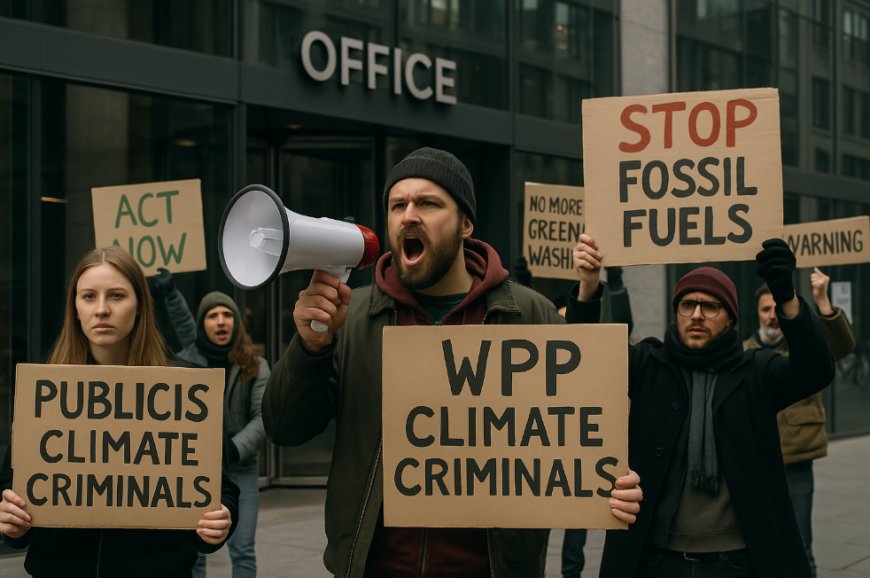
In recent years, the global advertising industry has found itself caught in the crosshairs of the climate debate — and not for good reasons. Renowned ad giants like WPP and Publicis Groupe, celebrated for building some of the world’s most recognizable brands, are now facing fierce criticism from climate activists who argue that these firms are helping fossil fuel companies polish their images while they continue to fuel the climate crisis.
Protesters worldwide are ramping up the pressure, demanding a total rethink of how creative power is used — and who benefits from it.
A Protest Movement Gathers Steam
This month, a coordinated wave of protests swept across cities in Europe and North America. Climate action groups staged sit-ins, blockades, and theatrical demonstrations at the offices of WPP and Publicis, labeling the firms “climate criminals.”
In London, Paris, and New York, protestors brandished banners and megaphones, chanting slogans against “greenwashing” — the practice of making environmentally harmful companies look sustainable through slick PR and advertising campaigns.
To activists, the demand is simple: stop lending creative genius to companies that are deepening the climate emergency.
The Advertising Industry’s Hidden Link to Fossil Fuels
While fossil fuel companies like BP, Shell, and ExxonMobil are well known, the agencies crafting their public image often fly under the radar. For decades, these energy giants have relied on advertising agencies to help present themselves as responsible stewards of the planet — even as they expand oil and gas extraction.
From heartwarming TV ads to sustainability pledges on billboards, fossil fuel marketing tries to convince the public that companies are “part of the solution.” But behind those glossy visuals are creative agencies like WPP and Publicis, designing every slogan, visual, and PR push.
Activists argue that by enabling these campaigns, ad agencies share responsibility for the climate harm these companies cause.
Who Are WPP and Publicis?
WPP, headquartered in London, is one of the largest advertising and PR conglomerates in the world, with operations in more than 100 countries. Its client roster has included major fossil fuel companies like BP and Shell.
Publicis Groupe, based in Paris, owns iconic ad agencies such as Leo Burnett and Saatchi & Saatchi. Like WPP, it has a long history of working with energy companies that activists say are responsible for blocking climate action and misleading the public.
Combined, these ad giants command billions in annual revenue — some of it directly linked to contracts with oil and gas firms.
What Do Activists Want?
Protesters and climate groups want a clean break: they’re urging WPP, Publicis, and the entire ad industry to end all business with fossil fuel clients.
Groups like Clean Creatives and Extinction Rebellion argue that the same creative talent that sells SUVs and oil pipelines could be helping to accelerate clean energy adoption, promote climate awareness, and support policy changes.
To do that, they say, agencies must publicly pledge to reject fossil fuel contracts — just as they once walked away from tobacco advertising when the public health impacts became undeniable.
How the Agencies Respond
Facing mounting criticism, both WPP and Publicis have pointed to their sustainability efforts. They’ve pledged to cut their own operational carbon footprints, promote net-zero practices internally, and help clients communicate green initiatives.
However, campaigners say these promises ring hollow if the agencies continue to run huge campaigns for the world’s biggest polluters. Critics see it as the ultimate contradiction: an agency can’t claim climate leadership while helping fossil fuel companies maintain a social license to operate.
Inside the Protests: Creative Tactics for a Creative Problem
These protests aren’t your typical street rallies — they’re designed to match the industry’s flair for spectacle. In London, activists staged a mock “oil spill” outside WPP’s headquarters. Protesters lay on the pavement covered in fake oil to symbolize lives lost to climate change.
In Paris, demonstrators surrounded Publicis’ main building with caution tape and chalk outlines, branding it a “crime scene” for the climate. Projectors beamed slogans like “Climate Criminals” and “Stop Greenwashing” onto agency walls for passing traffic to see.
Activists are using the industry’s own playbook — visual storytelling and drama — to turn the spotlight back on the ad giants.
A Growing Trend: Creatives Rebel
Inside the industry, there’s a brewing rebellion too. Thousands of designers, writers, and strategists have signed pledges through groups like Clean Creatives, promising never to work for fossil fuel accounts.
Many younger creatives see fossil fuel clients as toxic baggage that clashes with their personal values and the urgency of the climate crisis. Some WPP and Publicis employees have anonymously shared concerns about the conflict between promoting sustainability for some clients while boosting fossil fuel brands for others.
The Money Factor
So, why don’t agencies just cut ties with oil and gas? The reality is blunt: fossil fuel companies spend millions each year on advertising and PR. For big agencies, these accounts are extremely lucrative.
Dropping these contracts means turning away steady revenue streams — something shareholders don’t take lightly. But activists argue that as the climate crisis worsens, the reputational cost of keeping fossil fuel clients could soon outweigh the profits.
Learning from Big Tobacco
Many campaigners compare today’s fossil fuel fight to the battle against tobacco advertising decades ago. Back then, tobacco giants relied on ads to downplay the dangers of smoking and resist health warnings. Over time, mounting evidence and public pressure forced agencies and media companies to abandon tobacco clients.
Today, you can’t air a cigarette ad on TV — and climate activists want oil and gas ads to go the same way.
What If They Succeed?
If activists get their way, the effect on fossil fuel companies could be huge. Without polished PR campaigns and reassuring ads, oil and gas firms would struggle to maintain their positive public image.
Consumers and lawmakers might feel more empowered to demand stricter regulations and push for faster transitions to renewables. In other words, the creative industry could help dismantle the PR shield that fossil fuel giants have relied on for decades.
A Fork in the Road for Ad Giants
The pressure is building. Smaller agencies are already pivoting away from fossil fuel work, winning new business from clean energy startups, electric vehicle brands, and nonprofits promoting sustainability.
For giants like WPP and Publicis, the path ahead is clear but challenging: keep fossil fuel dollars and risk public backlash — or embrace a greener future and position themselves as champions of the climate transition.
Hope, Hype, or Both?
Some cynics say advertising will always sell whatever pays the bills. But the growing push from within the industry suggests something bigger is happening.
Many creatives, especially younger ones, want their work to align with their values. They’d rather pitch ideas that help cut carbon emissions than hide them behind marketing spin. And they’re demanding that their employers follow suit.
Conclusion: The Biggest Campaign Yet
The protests against WPP and Publicis are more than momentary headlines. They’re a wake-up call for an industry that has shaped what we buy, how we see the world, and who we trust.
What's Your Reaction?
 Like
0
Like
0
 Dislike
0
Dislike
0
 Love
0
Love
0
 Funny
0
Funny
0
 Angry
0
Angry
0
 Sad
0
Sad
0
 Wow
0
Wow
0