
























Why Duroflex Is Turning Its Stores Into a Marketing Channel
Duroflex CMO Ullas Vijay on why experience stores are the new marketing frontier — and how 'Designed to De-Stress' is rewriting India's sleep category playbook.

Introduction
When was the last time you thought deeply about buying a mattress? For most Indian consumers, it is a once-in-a-decade decision made with minimal brand loyalty and maximum confusion. That low-involvement, commodity-driven category narrative is exactly what Duroflex is working to dismantle. With a bold brand refresh anchored in its 'Designed to De-Stress' platform, an aggressive retail expansion plan, and a newly reimagined experience store in Bengaluru's Indiranagar, the brand is making a provocative claim: that sleep is not a comfort category anymore. It is a wellness imperative. And the store is no longer just a point of sale — it is a marketing medium in its own right.
The Big Announcement
Duroflex has unveiled its next-generation retail format with the launch of a reimagined experience store in Indiranagar, Bengaluru — the first in a planned series of immersive retail destinations across India. The store serves as the prototype for the brand's broader retail transformation strategy, built entirely around its 'Designed to De-Stress' philosophy.
Unlike traditional mattress showrooms organised around product specifications and price tags, the new format is designed as a sleep experience destination — emphasising consultation, guided trials, personalised assessments, and education-led product discovery. One telling design detail: sheer curtains create semi-private trial spaces for customers testing mattresses, directly addressing a discomfort — particularly among women — about evaluating products in open, exposed environments. It is a small intervention with a large signal: this brand is listening.
The expansion roadmap is equally ambitious. Duroflex currently operates close to 81 company-owned stores across India and has set a target of reaching 150 stores over the next three years. Beyond its exclusive outlets, the brand maintains a presence across 1,500 to 2,000 multi-brand retail touchpoints nationwide. E-commerce currently contributes approximately 17 to 18 percent of revenue, with offline channels accounting for the remaining 83 percent — underscoring why physical retail remains central to the brand's growth thesis.
What This Means for Your Brand
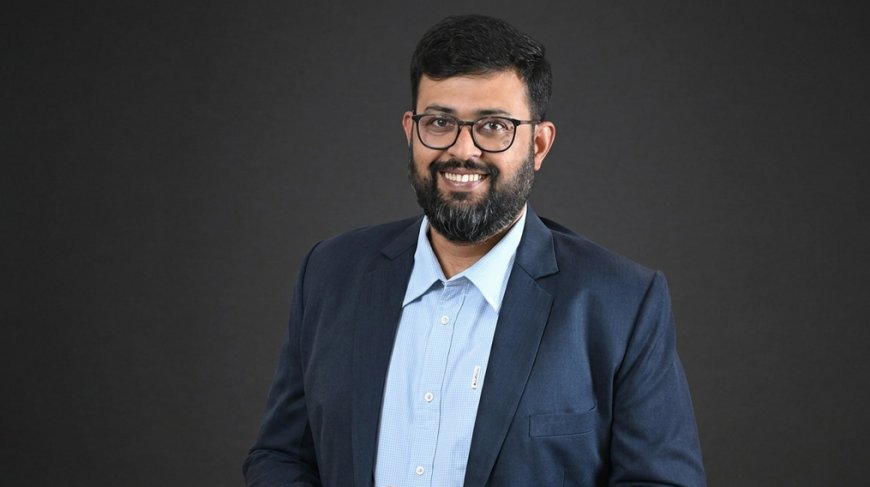
Ullas Vijay, CMO of Duroflex, articulates the strategic shift with uncommon clarity: "We see our experience centres not just as retail spaces, but as a key extension of our marketing funnel." That single sentence contains the entire strategic brief — and it has implications that extend well beyond the mattress category.
Retail as a brand-building medium is the central insight here. For decades, Indian consumer brands have treated stores as the end point of the marketing funnel — the place where advertising-driven demand gets converted into a transaction. Duroflex is inverting that model. The store is now a touchpoint that generates awareness, builds trust, creates word-of-mouth, and drives NPS scores — functions that were previously assigned exclusively to advertising and digital campaigns.
This matters enormously for high-involvement, infrequent purchase categories. Duroflex's internal research shows that consumers in this category typically take 15 to 20 days to arrive at a purchase decision — a window during which they move between online research, marketplace browsing, review consumption, and eventually a physical store visit. If the physical experience does not match the promise built by digital touchpoints, the funnel breaks. The Indiranagar store is designed specifically to ensure it does not.
For brands in considered-purchase categories — furniture, consumer durables, consumer electronics, health and wellness products — this is a direct challenge to audit whether your retail experience is functioning as a brand asset or merely a transaction point. The two are not the same, and the gap between them is measurable in NPS scores, repeat visits, and word-of-mouth referrals.
The contrarian view? Building immersive experience centres is capital-intensive and operationally complex to replicate at scale. The Indiranagar prototype works beautifully as a flagship — but maintaining that quality of experience across 150 stores in markets ranging from Mumbai to Madurai is a fundamentally different challenge. Execution consistency will determine whether this strategy builds brand equity or dilutes it.
Expert Take
The strategic repositioning Duroflex is undertaking — from orthopaedic mattress specialist to holistic sleep and stress-management brand — is grounded in a consumer insight that is both timely and universal. Stress, as Vijay notes, has become a cross-demographic concern in India, cutting across age groups, income levels, and geographies.
The 'Designed to De-Stress' platform is a smart piece of brand architecture precisely because it does not abandon Duroflex's scientific heritage — it extends it. The brand is not walking away from its credibility in ergonomics and material science. It is reframing that credibility within a broader wellness context that is far more emotionally resonant with today's consumer.
Sridhar Balakrishnan, CEO of Duroflex, reinforced this in a parallel conversation: the brand's vision is to make restorative sleep a cornerstone of modern wellness — moving from providing better sleep to enabling better living. That is a category leadership ambition, not a product positioning statement. And it is one that Duroflex's six decades of consumer trust gives it the credibility to pursue.
The digital-first marketing approach — with heavy investment in being present during the critical 15 to 20 day research window — is the right complement to the physical experience strategy. As Vijay puts it, advertising builds saliency while retail delivers the experience, and neither can function effectively in isolation of the other.
The brands.in Perspective
Duroflex has identified something that most Indian consumer brands are still fumbling toward: in a high-involvement category, the store is not the end of the story — it is the most powerful chapter in it. The decision to treat experience centres as a marketing layer rather than a sales channel is a maturity of thinking that is rare in Indian retail. What makes the Indiranagar store particularly interesting is not its aesthetics — it is the consumer insight embedded in its design. Semi-private trial spaces born from research about women's discomfort. Consultation frameworks built around 15 to 20 day decision journeys. NPS tracking that monitors sentiment from non-buyers, not just purchasers. This is a brand that has done the work. The question for the industry is: which category does this thinking disrupt next?
Key Takeaways for Marketers
- Duroflex launches next-generation experience store in Indiranagar, Bengaluru — prototype for national retail transformation
- Target: expand from 81 to 150 company-owned stores over the next three years
- Experience centres repositioned as a core marketing funnel layer — not just points of sale
- Consumers take 15 to 20 days to decide in this category — physical experience is critical during this window
- 'Designed to De-Stress' platform marks shift from comfort-led to stress and recovery-led brand storytelling
- Digital-first marketing approach targets consumers during active research phase
- Full-funnel thinking essential — advertising, digital, and retail must work in tandem, not in isolation
- Semi-private trial spaces and personalised assessments reflect deep consumer research driving store design
FAQ
What is Duroflex's 'Designed to De-Stress' brand platform? It is Duroflex's strategic repositioning platform that shifts the brand's narrative from orthopaedic comfort to holistic sleep and stress management. Rooted in consumer research showing that stress — not just physical discomfort — is the primary barrier to restorative sleep, the platform guides both product innovation and brand communication across all touchpoints.
How is Duroflex using experience centres as a marketing tool? Rather than treating stores purely as transaction points, Duroflex is positioning its experience centres as an extension of its marketing funnel. The stores are designed to educate consumers, facilitate guided product trials, and deliver personalised consultations — creating brand-building interactions that drive word-of-mouth, improve NPS scores, and support consumers through the 15 to 20 day consideration journey typical of the category.
What is Duroflex's retail expansion plan for the next three years? The brand currently operates close to 81 company-owned stores and plans to expand this to 150 stores over the next three years. The expansion will follow the new experience-led format prototyped in Indiranagar, Bengaluru, with a focus on both metros and Tier 2 and Tier 3 cities. The brand also maintains presence across 1,500 to 2,000 multi-brand retail touchpoints nationally.
Let's Talk
Is your brand's physical retail experience doing the heavy lifting that your marketing budget cannot? Duroflex's CMO has made a compelling case that in high-involvement categories, the store is the most powerful brand communication tool you have. Are you using it that way — or just using it to close transactions? Share your perspective below and follow brands.in for sharp daily intelligence on the retail, brand, and marketing strategies reshaping Indian consumer businesses.
What's Your Reaction?
 Like
0
Like
0
 Dislike
0
Dislike
0
 Love
0
Love
0
 Funny
0
Funny
0
 Angry
0
Angry
0
 Sad
0
Sad
0
 Wow
0
Wow
0