


















IPL 2026: When 15-Year-Olds and 44-Year-Olds Share the Same Dressing Room
IPL 2026 squads reveal a generational divide — from 15-year-old debutants to 44-year-old veterans. Here's what the age dynamics mean for Indian brands and marketers.

Introduction
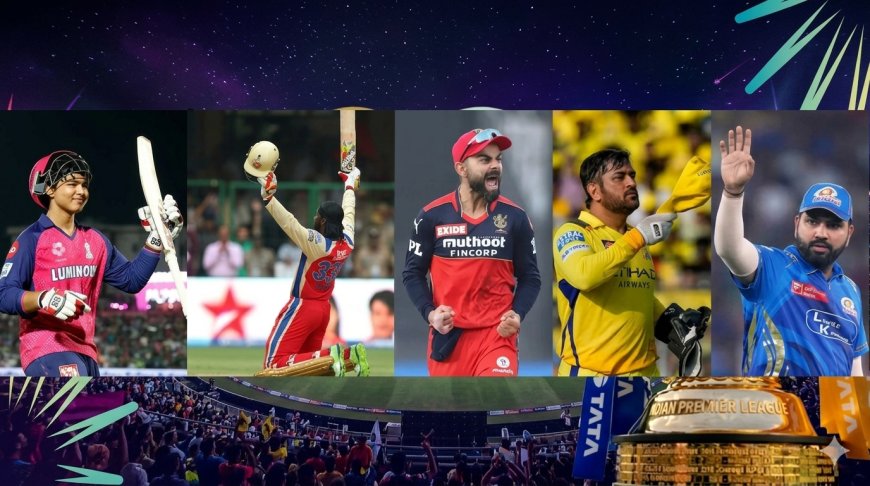
What does it say about a sport when its youngest player is still in school and its oldest is old enough to be that player's father? IPL 2026 is not just a cricket tournament — it is a generational experiment playing out in real time, across ten franchises, over twenty overs a night. For brand managers and marketers, this age dynamic is not just a sports story. It is a masterclass in how identity, legacy, and aspiration can coexist — and compete — within a single ecosystem. The franchises that manage this tension well will win on the field. The brands that understand it will win in the market.
The Big Announcement
A new analysis of IPL 2026 squad compositions, captured in Rediffusion's ICYMI report titled A Tale of Two Generations, reveals a striking divergence in how franchises are building their teams this season.
At one end, Delhi Capitals carry the tournament's oldest average squad age at 29.3 years, followed closely by Mumbai Indians at 29.1. Kolkata Knight Riders and Gujarat Titans both sit at 28.9, representing a middle ground between seasoned composure and emerging energy.
At the other end, Sunrisers Hyderabad and Rajasthan Royals both field squads averaging just 27.0 years — the youngest in the competition — signalling a deliberate pivot toward long-term squad building over immediate results.
But averages only tell part of the story. The real drama lies in the gaps within squads. Chennai Super Kings carry the tournament's widest internal age spread — a jaw-dropping 26-year difference between their most senior and youngest registered players. Mumbai Indians and Delhi Capitals follow with internal spans approaching 19 and 18 years respectively.
These are not just squad selection decisions. They are franchise identity statements.
What This Means for Your Brand
For marketers, IPL 2026's generational architecture presents a layered and genuinely exciting targeting landscape.
The veteran-heavy franchises — Delhi Capitals, Mumbai Indians, KKR — carry legacy equity. Their audiences skew toward loyal, long-tenure fans who have grown up with the tournament and its iconic players. Brands seeking trust, authority, and emotional depth find natural alignment here. Financial services, insurance, and premium consumer goods have historically performed well in these adjacencies.
The youth-forward franchises — SRH, Rajasthan Royals, Lucknow Super Giants — carry aspiration equity. Their fan bases are younger, more digitally native, and more receptive to challenger brand narratives. Fintech apps, edtech platforms, energy drinks, and fast-fashion labels fit this energy instinctively.
The middle-ground franchises — RCB, CSK, Punjab Kings — offer the broadest demographic reach, making them ideal for mass-market brands seeking cross-generational relevance.
The contrarian perspective? The most interesting brand opportunities in IPL 2026 may not lie in franchise sponsorships at all — but in the individual generational storylines themselves. A 15-year-old making his IPL debut. A 44-year-old still commanding a stadium. These are human narratives that transcend cricket, and brands perceptive enough to align with those stories — authentically, not opportunistically — stand to earn cultural capital that no jersey patch can buy.
The Numbers Behind the News
The numbers from IPL 2026 squads tell a genuinely remarkable story about the tournament's evolution.
Rajasthan Royals' Vaibhav Suryavanshi, at just 15 years old, is the youngest player across all ten squads — a figure that would have been unthinkable in the tournament's early years. At the opposite end of the individual spectrum, Chennai Super Kings' MS Dhoni continues to carry a squad registration age of 44.7, making him not just the oldest active player but a living embodiment of the tournament's own history.
Between these two extremes sits an entire generation of players in transition. Veterans including Rohit Sharma, Virat Kohli, Sunil Narine, Ravindra Jadeja, and Ishant Sharma — all operating in their late thirties — remain central to their respective franchises' competitive strategies. Simultaneously, teenagers and early-twenties players including Ayush Mhatre, Sahil Parakh, Satvik Deswal, and Naman Tiwari are stepping into the spotlight with minimal professional baggage and maximum ambition.
According to the Rediffusion ICYMI analysis, this generational coexistence within squads is not accidental — it reflects deliberate franchise philosophies about how to balance present-tense performance with future-tense potential.
The brands.in Perspective
IPL 2026's age story is a gift to any brand willing to look beyond the obvious. Most sponsors will chase the biggest names and the loudest moments. The smarter play is to find the narrative tension — the 15-year-old facing down a 37-year-old veteran, the mentor and the prodigy sharing a dugout, the franchise betting its season on youth when every rival is leaning on experience. These are the stories that audiences carry beyond the boundary rope and into their daily conversations. Brands that embed themselves in these human moments — not just the commercial inventory around them — will build something that outlasts the tournament itself.
Key Takeaways for Marketers
- IPL 2026 squad age profiles offer distinct targeting signals for different brand categories
- Veteran-heavy squads carry legacy equity; youth-forward squads carry aspiration equity
- The 26-year age gap within CSK is the tournament's most compelling human interest story
- At 15, Vaibhav Suryavanshi represents a new frontier in early talent commercialisation
- Generational narratives within squads offer brands richer storytelling angles than jersey placements alone
FAQ
Q: Which IPL 2026 franchise has the oldest squad on average? Delhi Capitals carry the highest average squad age in IPL 2026 at 29.3 years, followed by Mumbai Indians at 29.1. Both franchises have consciously leaned into experience as a competitive strategy for the season.
Q: Who is the youngest player in IPL 2026 and why does it matter for brands? Rajasthan Royals' Vaibhav Suryavanshi, at 15 years old, is the youngest player across all squads this season. For brands targeting Gen Z and young aspirational audiences, his story — talent discovered and fast-tracked at an extraordinarily early age — is one of the tournament's most powerful narratives.
Q: How should brands think about IPL franchise sponsorships given this generational divide? Rather than defaulting to the most popular franchise, brands should map their target audience's age and values against each franchise's squad philosophy. Youth-forward teams offer reach among younger consumers; veteran-heavy squads offer depth with established, loyal fan bases. The right fit depends entirely on what the brand needs to communicate and to whom.
Let's Talk
Is your brand's IPL strategy built around jersey visibility — or around the human stories that make cricket culturally unstoppable? The franchises that understand their generational identity best will win on the field. The brands that understand it best will win everywhere else. Tell us your take below.
Follow brands.in for daily brand and marketing intelligence that keeps India's sharpest marketers one step ahead.
What's Your Reaction?
 Like
0
Like
0
 Dislike
0
Dislike
0
 Love
0
Love
0
 Funny
0
Funny
0
 Angry
0
Angry
0
 Sad
0
Sad
0
 Wow
0
Wow
0