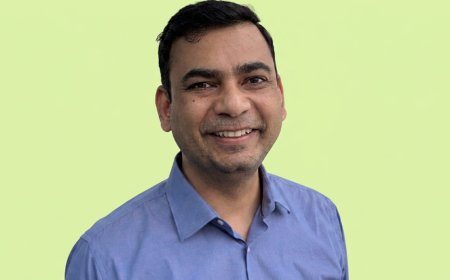
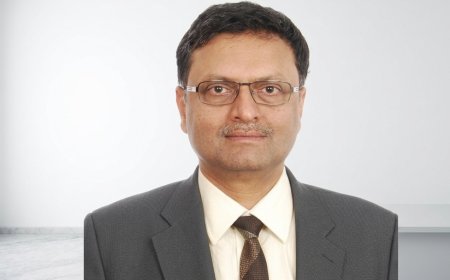




















India’s Pay TV Market Still Holds Strong, Says Media Veteran Uday Shankar
Despite digital disruption, India's Pay TV market remains vibrant and full of potential. Uday Shankar shares insights into why the sector continues to be a critical part of the country's media ecosystem.


Introduction: TV Is Not Dead—It’s Evolving
In a media world increasingly dominated by streaming platforms and mobile-first content, many would assume that traditional Pay TV is losing relevance. But Uday Shankar, one of India's most respected media executives, believes otherwise. He recently shared his perspective on why Pay TV in India remains a dynamic and profitable market, even as OTT platforms capture growing attention.
Shankar, known for his leadership roles at Star India and Disney, has had a front-row seat to the evolution of Indian broadcasting. According to him, India’s Pay TV ecosystem is not just surviving—it’s still thriving.
Why Pay TV Still Dominates Indian Households
Despite the rise of Netflix, Amazon Prime Video, and Disney+ Hotstar, Pay TV continues to enjoy deep penetration across Indian households, especially in Tier 2 and 3 cities and rural areas.
Here’s why:
-
Affordability: Monthly Pay TV subscriptions are available at extremely competitive rates
-
Bundle Value: Viewers get multiple channels—news, entertainment, sports, and regional—at one price
-
Ease of Access: Cable and DTH services require no internet, making them ideal for regions with poor connectivity
-
Cultural Relevance: TV content often aligns with regional preferences and language diversity
According to Shankar, the diversity of India’s audience plays a huge role in keeping Pay TV relevant. While urban users may lean toward OTT, a significant portion of the population still prefers TV for its convenience and family-friendly programming.
Not a Zero-Sum Game: TV and OTT Can Co-Exist
One of the key points Uday Shankar emphasized is that television and streaming don’t have to be rivals—they can complement each other.
-
TV continues to dominate live content, especially in sports and news
-
OTT excels in on-demand entertainment and binge-worthy originals
-
Families may watch TV together, while younger audiences stream content individually
Shankar pointed out that India's media consumption behavior is not binary. In many homes, both platforms co-exist as part of a hybrid content diet.
Pay TV Still Attracts Advertisers
India’s Pay TV platforms remain a valuable advertising medium. Television advertising still commands the largest share of ad revenues in the country, thanks to:
-
High reach
-
Predictable viewer habits
-
Strong presence in rural markets
-
Trust in televised content
Shankar believes that as long as brands continue to seek scale and cultural connection, TV will remain a preferred channel for ad spend.
Looking Ahead: Tech-Enabled TV Growth
The future of Pay TV isn’t static—it’s evolving with technology. From smart set-top boxes to hybrid broadcast-broadband models, Pay TV providers are integrating features like:
-
On-demand video
-
Interactive services
-
Real-time analytics
-
Multi-screen compatibility
This convergence of broadcast and broadband means Pay TV is becoming more digitally savvy, bridging the gap with OTT without losing its identity.
Conclusion: Pay TV in India is Still a Powerhouse
As Uday Shankar rightly observed, India’s Pay TV market remains one of the most exciting globally. With its unbeatable scale, affordability, and deep-rooted cultural presence, television continues to play a vital role in shaping how India watches, learns, and engages with content.
What's Your Reaction?
 Like
0
Like
0
 Dislike
0
Dislike
0
 Love
0
Love
0
 Funny
0
Funny
0
 Angry
0
Angry
0
 Sad
0
Sad
0
 Wow
0
Wow
0