






















JioStar vs Legends League: when sports media rights go to court
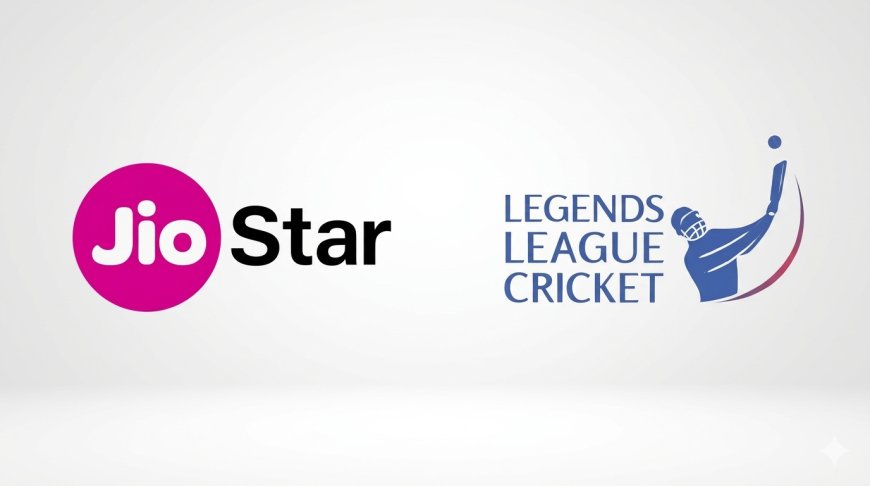
JioStar India flagged an alleged breach of a Delhi High Court restraint order linked to the Legends League Cricket Masters T20 tournament. Despite a March 18, 2026 court order restricting Absolute Legends Sports and Blue God Entertainment from dealing with the tournament's media rights, the league allegedly continued broadcasting across multiple platforms. Sony halted its telecast following JioStar's communication, while a contempt application was filed for continued streaming elsewhere. The case highlights critical gaps in sports media rights compliance and brand safety for Indian advertisers and broadcast partners.

Introduction
Sports media rights in India are worth billions — and the legal frameworks protecting them are being tested like never before. A dispute involving JioStar, the Legends League Cricket Masters T20 tournament, and a Delhi High Court restraint order has thrown a sharp spotlight on a question every broadcaster, streaming platform, and sports property in India needs to answer: what happens when court orders are allegedly ignored? The JioStar-Legends League case is not just a legal skirmish. It is a warning shot for the entire sports broadcasting ecosystem.
What just happened
On March 18, 2026, the Delhi High Court issued a restraint order against Absolute Legends Sports Pvt. Ltd. and Blue God Entertainment, directing them not to create third-party rights or deal with the media and commercial rights of the Legends League Cricket Masters T20 tournament. The order was unambiguous in its scope.
Despite this, JioStar India Pvt. Ltd. observed that the league continued to be hosted, broadcast, and streamed across multiple platforms — an apparent violation of the court's directions. JioStar responded by issuing formal communications to the concerned parties demanding immediate compliance.
Sony, upon receiving such communication, reportedly halted its television broadcast of the league. However, the content allegedly remained accessible on other platforms including YouTube and certain digital streaming services. JioStar then filed a contempt application before the court, citing wilful non-compliance with its directives.
The matter was taken up on an urgent basis on March 20, 2026. During the hearing, Absolute Legends informed the court that broadcasting had been stopped and compliance had been achieved. The entity further committed to ceasing all league-related activities and removing associated content from all platforms. JioStar is understood to be closely monitoring the situation as proceedings continue.
What this means for your brand
For brands operating in India's sports sponsorship and broadcast advertising space, this case carries direct implications — and not just for lawyers.
First, consider the advertiser's position. Any brand that had placed advertising inventory around Legends League Cricket Masters T20 broadcasts — whether on television or digital platforms — was potentially running ads against content that a court had ordered to be restrained. That is a brand safety exposure that no media plan anticipates, and it underscores why contractual due diligence on sports properties matters as much as audience reach metrics.
Second, for streaming platforms and digital publishers that carried the league's content after the restraint order was in effect, the contempt proceedings represent a serious escalation. Platforms that aggregate or distribute sports content need robust legal monitoring systems — not just content moderation tools. Ignorance of a subsisting court order is not a defence.
Third, for sports federations, franchise leagues, and independent tournament organisers looking to attract broadcast partners and sponsors, this episode sends a clear message. Media rights disputes that spill into public court proceedings damage the commercial credibility of a property far more than any ratings shortfall could. Trust, once broken with a major broadcast partner, is exceptionally difficult to rebuild.
The contrarian view? Some observers argue that the speed with which the matter was resolved — contempt filed on the 18th, urgent hearing by the 20th, compliance undertaken within days — actually demonstrates that India's legal system can move quickly when media rights are at stake. That is, in its own way, a reassuring signal for the industry.
The numbers behind the news
India's sports media rights market has grown dramatically over the past decade. The IPL alone commands broadcast deals worth tens of thousands of crores, and the ecosystem of smaller leagues — cricket, kabaddi, football, wrestling — has expanded rapidly on the back of that valuation benchmark.
With that growth has come complexity. Multiple leagues, overlapping rights windows, digital-first distribution models, and the involvement of numerous commercial partners have created an environment where rights disputes are increasingly inevitable. The Legends League Cricket Masters T20 case is not an isolated incident — it reflects a structural tension between the speed at which new sports properties are created and the rigour with which their legal and commercial foundations are built.
Industry observers note that as the value and complexity of sports media rights continue to rise, the need for robust enforcement mechanisms becomes proportionally more urgent. A restraint order that is allegedly disregarded — even briefly — signals that the industry's compliance culture needs to catch up with its commercial ambitions.
The brands.in perspective
India's sports broadcasting industry has matured enormously in terms of production quality, audience reach, and commercial scale. Its legal and contractual infrastructure is still catching up. The JioStar-Legends League episode is a reminder that media rights are not just commercial agreements — they are legally enforceable instruments, and the consequences of treating them otherwise are swift and public.
For brands and agencies building sports marketing strategies, the lesson is clear. Due diligence on a property's rights status is no longer optional background work. It is frontline brand protection. The next time a new league comes calling with attractive sponsorship packages, the first question should not be about viewership numbers. It should be about who owns the rights — and whether that ownership is legally uncontested.
Key takeaways for marketers
- Sports media rights disputes can directly affect advertiser brand safety overnight.
- Court restraint orders apply to all platforms — TV, digital, and YouTube alike.
- New sports leagues must establish airtight legal rights frameworks before launch.
- Brands should conduct rights due diligence before committing to sports sponsorships.
- India's courts can and do move quickly on urgent media rights compliance matters.
Frequently asked questions
Q: What was the Delhi High Court order about in the JioStar-Legends League case? The court issued a restraint order on March 18, 2026, preventing Absolute Legends Sports and Blue God Entertainment from creating third-party rights or dealing with the media and commercial rights of the Legends League Cricket Masters T20 tournament.
Q: Why did Sony stop broadcasting the Legends League? Sony reportedly halted its television broadcast after receiving formal communication from JioStar flagging the alleged violation of the Delhi High Court's restraint order and calling for immediate compliance with the court's directions.
Q: What are the implications for digital platforms that carried the content? Platforms that continued streaming the league's content after the restraint order was in effect potentially faced contempt of court exposure. JioStar filed a contempt application citing wilful non-compliance, which was taken up on an urgent basis by the court.
Closing
India's sports rights economy is growing fast — but its legal guardrails are being stress-tested in real time. Is your brand's sports marketing strategy built on a foundation of verified rights ownership? Share your thoughts below, and follow brands.in every day for the sharpest intelligence on Indian media, marketing, and brand strategy.
What's Your Reaction?
 Like
0
Like
0
 Dislike
0
Dislike
0
 Love
0
Love
0
 Funny
0
Funny
0
 Angry
0
Angry
0
 Sad
0
Sad
0
 Wow
0
Wow
0