























Westlife Foodworld Appoints Natasha Kini as DGM, Corporate Communications
Westlife Foodworld appoints Natasha Kini as DGM Corporate Communications — a strategic hire as India's QSR sector faces rising scrutiny around food transparency and consumer trust.

Introduction
India's quick service restaurant sector is under more scrutiny than ever. From food quality debates to ingredient transparency conversations playing out in real time on social media, QSR brands today need communications leadership that is sharp, strategic, and culturally attuned. Against this backdrop, Westlife Foodworld — the operator behind McDonald's restaurants across West and South India — has made a significant leadership appointment that signals exactly how seriously the company is taking its communications function in 2026.
The Big Announcement
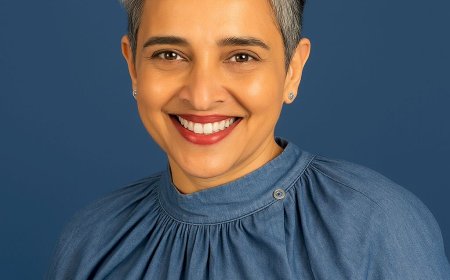
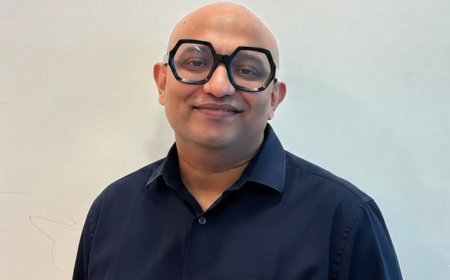
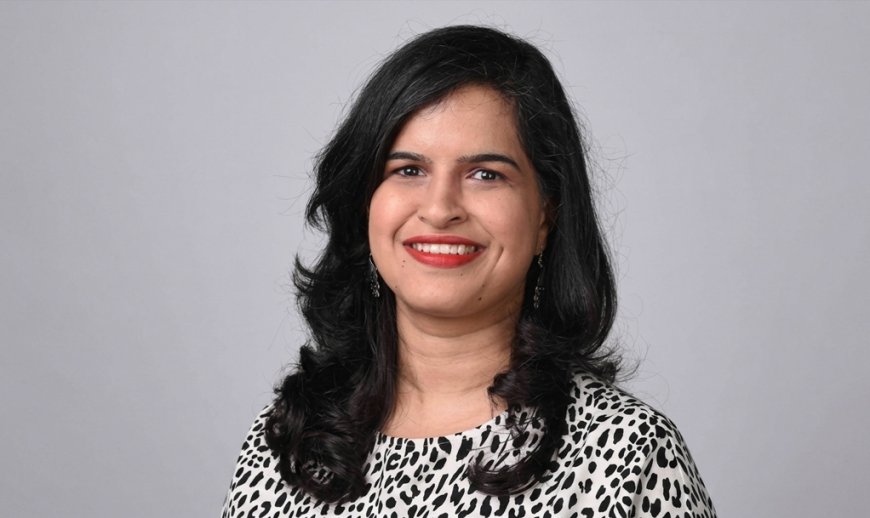
Westlife Foodworld has named Natasha Kini as Deputy General Manager, Corporate Communications — a senior role that places her at the center of the brand's reputation, messaging, and stakeholder engagement strategy.
Kini shared the news on LinkedIn, expressing genuine enthusiasm for the move and acknowledging the broader industry context she is stepping into. She described the current QSR landscape in India as a fascinating and dynamic phase — one defined by evolving consumer expectations, sharper conversations around food transparency, and an expanding cultural role for brands like McDonald's.
In her new position, Kini will oversee the full spectrum of corporate communications — spanning reputation management, internal and external messaging, crisis communication, and stakeholder engagement across Westlife Foodworld's extensive restaurant network in West and South India.
The appointment brings seasoned, cross-industry communications experience into a sector that is rapidly recognising the strategic value of strong corporate narrative.
What This Means for Your Brand
Natasha Kini's appointment carries implications that extend well beyond a single leadership hire.
First, it reflects QSR's growing investment in communications as a business function. For years, marketing and PR in the fast food space were largely campaign-driven. Today, with food safety conversations, sustainability expectations, and consumer trust all under the microscope, corporate communications has evolved into a boardroom-level priority.
Second, her cross-industry background is a deliberate strategic asset. Kini arrives from L'Oréal, where she led external and internal communications, C-suite messaging, crisis handling, and corporate content — experience that maps directly onto the challenges Westlife Foodworld faces in maintaining brand trust at scale. Before L'Oréal, she built her foundation across Hasbro, Marico, and Genesis Burson-Marsteller, accumulating expertise in corporate reputation, media relations, and campaign strategy.
Third, the timing is telling. Appointing a DGM-level communications leader mid-year, during an active period of public conversation around QSR food standards in India, suggests Westlife Foodworld is proactively investing in narrative control rather than reacting to it.
For brand and communications professionals watching India's FMCG and QSR landscape, this hire is a case study in strategic talent positioning.
Expert Take
India's QSR sector is navigating one of its most communication-intensive periods in recent memory. Consumer awareness around ingredients, sourcing, and food processing has grown sharply — driven partly by social media, partly by a post-pandemic shift in how urban Indians think about what they consume.
Brands operating in this environment require communications leaders who can work across multiple registers simultaneously: managing external media narratives, building internal alignment, engaging regulators and investors, and contributing to long-term brand equity. The profile Kini brings — agency experience at Genesis Burson-Marsteller, corporate roles at Marico and Hasbro, and senior leadership at L'Oréal — reflects exactly the kind of multi-layered communications capability that complex consumer brands now demand.
Senior communications appointments at this level are increasingly being treated as strategic hires, not administrative ones.
The brands.in Perspective
Westlife Foodworld did not hire a press release manager. They hired a reputation architect.
The distinction matters enormously right now. India's QSR conversation in 2026 is not just about value meals and footfall — it is about trust, transparency, and cultural relevance. Natasha Kini's background spans the kind of environments — beauty, FMCG, toys, PR consulting — where brand perception is everything and communications missteps carry real commercial consequences. Bringing that experience into McDonald's India's operating company is a smart, forward-looking move. The brands.in prediction: watch for a more proactive, narrative-driven communications posture from Westlife Foodworld in the months ahead.
Key Takeaways for Marketers
- Natasha Kini joins Westlife Foodworld as DGM, Corporate Communications
- Previous role at L'Oréal involved external, internal communications and C-suite messaging
- Cross-industry experience spanning Hasbro, Marico, and Genesis Burson-Marsteller
- QSR brands are elevating communications as a strategic boardroom priority in India
- Food transparency and consumer trust are reshaping how QSR companies invest in reputation management
FAQ
Who is Natasha Kini and what is her professional background? Natasha Kini is a senior communications professional with experience across L'Oréal, Hasbro, Marico, and Genesis Burson-Marsteller. Her expertise spans reputation management, crisis communications, C-suite messaging, and corporate content development across FMCG, beauty, and consumer brands.
What does Westlife Foodworld do? Westlife Foodworld is the master franchisee that owns and operates McDonald's restaurants across West and South India, making it one of the country's largest QSR operators.
Why is corporate communications increasingly important for QSR brands in India? Rising consumer awareness around food quality, ingredient transparency, and brand accountability — amplified by social media — has made proactive reputation management essential for QSR brands seeking to maintain consumer trust and cultural relevance.
Closing
In an era where a single viral post can reshape public perception overnight, the brands that invest in communications leadership before a crisis — not after — are the ones that endure. Is your brand building its reputation proactively, or still playing catch-up?
Follow brands.in for daily brand intelligence, leadership moves, and the communications strategies shaping India's most competitive consumer sectors.
What's Your Reaction?
 Like
0
Like
0
 Dislike
0
Dislike
0
 Love
0
Love
0
 Funny
0
Funny
0
 Angry
0
Angry
0
 Sad
0
Sad
0
 Wow
0
Wow
0