


































ZEE News Takes on School Book Overpricing: A Campaign Every Indian Parent Needed
ZEE News launches a nationwide campaign against school textbook overpricing in India. Discover how this media-led initiative is driving government action and empowering Indian parents.

Introduction
Every year, as the new academic session begins, millions of Indian parents brace themselves — not just for school fees, but for the invisible drain that follows. Textbooks. Stationery. Mandatory purchases from specific vendors. It's a pattern so normalised that most families simply pay and move on. But this back-to-school season, ZEE News has decided to call it out — loudly and nationally. The channel's freshly launched campaign against school book overpricing is already triggering government responses, parliamentary attention, and a groundswell of parent participation across India. Here's why this matters far beyond the classroom.
What Just Happened
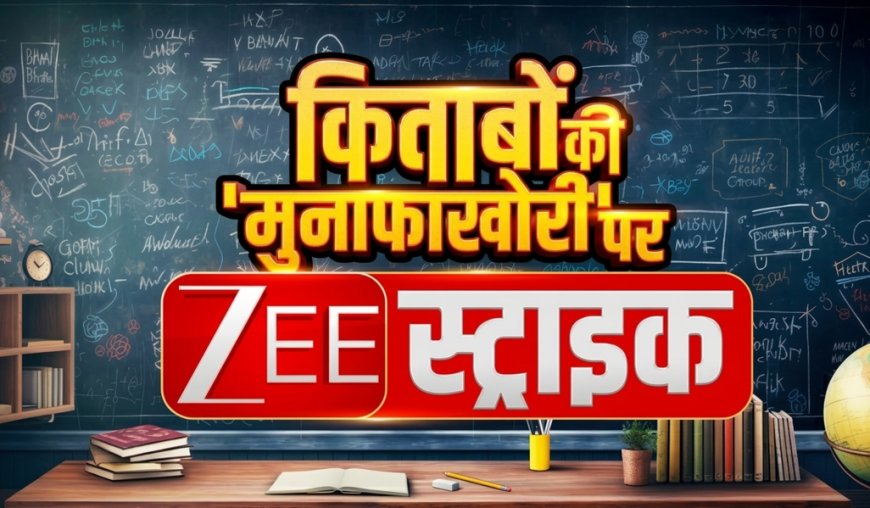
ZEE News has launched a nationwide investigative campaign exposing alleged overpricing of textbooks by private schools across India — a practice that places significant and often invisible financial pressure on middle-class and lower-income families every academic year.
The central concern highlighted by the campaign is stark: books available in the open market for as low as ₹50 are reportedly being sold through school-mandated vendors for up to ₹500 — a markup of ten times the open market price.
The campaign aims to investigate school-publisher linkages, examine possible violations of fair trade norms and consumer rights, and build a data-led evidence base. Parents have been invited to share their textbook purchase bills directly via WhatsApp to support this probe.
Rahul Sinha, Managing Editor of ZEE News, framed the initiative as a matter of educational equity — arguing that education must not be commercialised in ways that place undue financial pressure on families, and that the campaign is fundamentally about protecting the integrity of India's education system.
The response has been swift. Delhi's Directorate of Education has already issued guidelines clarifying that schools cannot compel parents to purchase books from specific vendors and must provide information about at least five alternative booksellers nearby.
What This Means for Your Brand
This campaign carries implications that stretch well beyond journalism — it touches brand trust, institutional accountability, and the growing power of media-led consumer advocacy in India.
1. Purpose-driven media campaigns are changing the accountability landscape. ZEE News has demonstrated that news channels can function as effective consumer advocacy platforms — not just reporting on issues but actively driving systemic change. For brands operating in the education sector, edtech, or publishing, the message is clear: pricing practices and vendor exclusivity arrangements are under public and regulatory scrutiny like never before.
2. Parent communities are a powerful, underestimated consumer force. The campaign's WhatsApp-based data collection approach is smart community mobilisation. It transforms passive viewers into active participants, creating a real-time evidence network that strengthens the campaign's credibility and pressure on authorities. Brands targeting parent demographics should take note of this engagement model.
3. State governments are now moving on education pricing. Uttar Pradesh has announced school inspections with penalties for violations. Madhya Pradesh is planning book fairs for affordable access. These are regulatory shifts that will reshape how private schools and publishers structure their commercial arrangements — creating both compliance requirements and market opportunities for transparent players.
The forward-looking reality? This campaign is likely to accelerate regulatory frameworks around school vendor relationships and textbook pricing — permanently altering commercial dynamics in the education supply chain.
The Numbers Behind the News
The scale of the issue becomes clear when you look at the numbers. A ten-times markup on textbooks — from ₹50 to ₹500 — across thousands of private schools and millions of students represents an enormous aggregate financial burden on Indian families annually.
India has over 1.5 million private schools serving hundreds of millions of students. Even a conservative estimate of inflated textbook costs per child per year, multiplied across this scale, represents thousands of crores extracted from household budgets that many families can ill afford.
The campaign has already drawn attention from Union Minister of State for Education Sukanta Majumdar, and parliamentary support from Members of Parliament in both the Rajya Sabha and Lok Sabha — indicating that this has crossed from a media story into a policy conversation at the national level. That is a significant measure of a campaign's real-world impact.
The brands.in Perspective
ZEE News has done something genuinely important here — it has taken a pervasive, accepted injustice and made it impossible to ignore. The genius of this campaign is its participatory design: by inviting parents to submit bills via WhatsApp, the channel is building a crowd-sourced evidence database that no school or publisher can easily dismiss. This is journalism meeting community organising — and it's working. For the broader media industry watching this, the lesson is powerful: campaigns that give audiences an active role create far more impact than passive reporting ever can.
Key Takeaways for Marketers
- Media-led consumer campaigns are emerging as powerful regulatory change drivers in India
- Participatory campaign design — involving audiences as active contributors — amplifies both reach and credibility
- Education sector pricing practices are now under intensified public and governmental scrutiny
- Parent communities represent an engaged, motivated consumer advocacy force that brands consistently underestimate
- Purpose-driven journalism creates brand trust and institutional authority that advertising alone cannot buy
FAQ Section
Q: How can parents participate in the ZEE News school book pricing campaign? Parents can share their textbook purchase bills directly via WhatsApp at 9310497453 to contribute to the campaign's data-led investigation into school book pricing practices across India.
Q: What action has the government taken following the ZEE News campaign? Delhi's Directorate of Education has issued guidelines prohibiting schools from mandating purchases from specific vendors. Uttar Pradesh has announced school inspections with penalties for violations, and Madhya Pradesh is organising book fairs to provide affordable textbook access to students and parents.
Q: Are private schools legally allowed to mandate book purchases from specific vendors? According to guidelines issued by Delhi's Directorate of Education following this campaign, schools cannot legally compel parents to buy books from specific shops. Schools are required to provide information about multiple alternative booksellers — a norm that the ZEE News campaign suggests has been widely violated.
Closing
ZEE News has sparked a conversation that was long overdue — and the fact that governments are already responding tells you everything about the power of purposeful, participatory journalism. For Indian parents who have quietly absorbed inflated textbook costs year after year, this campaign is a reminder that collective voices create real change.
Are you a parent who has experienced school book overpricing? Have you seen media campaigns drive real policy change in India? Share your experience below and join the conversation.
Follow brands.in for daily brand intelligence, media campaign breakdowns, and sharp marketing insights that matter to India's most informed professionals.
What's Your Reaction?
 Like
0
Like
0
 Dislike
0
Dislike
0
 Love
0
Love
0
 Funny
0
Funny
0
 Angry
0
Angry
0
 Sad
0
Sad
0
 Wow
0
Wow
0