


























Ram Madhvani's Vision: Making Advertisements Matter Again
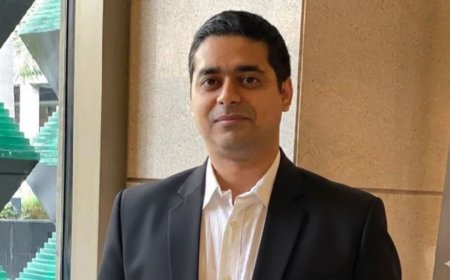
Ram Madhvani, acclaimed filmmaker and ad visionary, shares his mission to bring back the soul of advertising—using stories that spark dialogue and cultural impact.


Introduction: The Lost Spark in Advertising
In a time when digital saturation has reshaped how audiences engage with brands, many believe that advertising has lost its spark. Once capable of shifting culture and starting national conversations, today's commercials often chase trends rather than set them. But for filmmaker and ad maverick Ram Madhvani, the story isn’t over.
With decades of experience across both Bollywood and advertising, Madhvani is determined to bring back purpose, emotion, and bold storytelling to Indian advertising. His message is clear: ads should once again matter to people—not just sell to them.
Ram Madhvani: A Master of Emotion-Driven Storytelling
Ram Madhvani is no stranger to powerful narratives. From directing Neerja, a critically acclaimed biopic, to helming emotionally rich ad campaigns, he has built a reputation for work that stirs both thought and heart. His belief? Great storytelling transcends formats—it can shine in a feature film or a 30-second commercial.
Over the years, Madhvani’s ad campaigns for brands like Airtel, Happydent, and ICICI Prudential have become benchmarks in the Indian ad industry. These weren’t just product pitches—they were cultural moments that people remembered, discussed, and even shared, long before “going viral” became a buzzword.
What Advertising Has Forgotten
According to Madhvani, much of today’s advertising lacks soul. While the shift toward digital marketing has brought precision and personalization, it has also diluted creative bravery. Algorithms dominate decision-making, often sidelining the emotional resonance that made ads memorable in the first place.
He believes the industry has become too obsessed with metrics, performance dashboards, and short-term ROI. In the process, it has forgotten to ask the most important question: Does this ad make people feel something?
Madhvani wants to challenge that. He wants ads to return to being art forms—ones that drive conversation, reflect societal moods, and evoke genuine human connection.
“Conversations, Not Just Commercials”
One of the key points Madhvani emphasizes is the need for ads to initiate dialogue. He envisions a world where ads don’t just tell people to buy—but urge them to think, talk, and engage with a bigger idea.
In his words, “Advertising must provoke conversations—around values, identity, emotion, and even conflict. If your campaign is just another sales pitch, it’s a missed opportunity.”
This isn’t about being preachy or political, but about giving campaigns meaningful context. A good ad, in Madhvani’s view, should become a talking point at dinner tables and WhatsApp groups—not just a blip between YouTube videos.
Lessons from Iconic Campaigns
Madhvani has always used commercials as a canvas for layered narratives. Take for example:
-
Happydent White (2006): A visually dazzling spot that used humor and fantasy to create one of India's most unforgettable ads.
-
ICICI Prudential’s ‘Because You Are My Dad’: A heartwarming campaign that touched millions with its emotional simplicity.
-
Airtel’s ‘Har Ek Friend Zaroori Hota Hai’: A relatable anthem that captured the spirit of friendship in urban India.
These ads weren’t just technically brilliant—they resonated deeply because they touched on universally relatable themes.
New Age, Old Wisdom: Relearning Creative Risk
Even in the digital-first landscape, Madhvani believes that the best ads still begin with a human insight. Data can guide the framework, but the soul of any great campaign lies in its creative intuition. He urges marketers to take creative risks again—to let the writers, filmmakers, and visual artists push boundaries.
He compares modern ad-making to filmmaking: just like a film needs a strong script and emotional arc, a commercial should carry a narrative thread, a conflict, and a resolution.
The Role of Brands: Shaping Identity and Culture
For Madhvani, brands play a crucial role in shaping culture—whether they accept the responsibility or not. In an era where consumers are more socially aware, politically conscious, and digitally connected than ever, brands must rise to the occasion.
He believes that campaigns aligned with authenticity, values, and empathy are what today’s consumers seek. It’s no longer enough to be clever—you have to be relevant.
Madhvani urges brand leaders to ask:
-
What does our brand truly stand for?
-
Are we reflecting our audience's realities?
-
Are we part of the cultural conversation?
The Madhvani Method: Filmmaking Meets Advertising
Madhvani’s dual expertise in cinema and advertising gives him a unique vantage point. He treats every ad like a short film—with a beginning, middle, and end. He pays special attention to visual storytelling, editing rhythm, and actor performance, making sure that even a 30-second spot delivers maximum emotional weight.
This cinematic lens helps his campaigns break through clutter. They don’t shout for attention—they draw you in.
Advertising as a Tool for Social Reflection
Beyond selling, Madhvani believes advertising can mirror society’s deepest contradictions and aspirations. It can challenge stereotypes, promote inclusivity, or even spark movements—if done right.
He points out that the most enduring ad campaigns often reflect a larger social truth:
-
Dove’s “Real Beauty” challenged beauty norms.
-
Tanishq’s ads have celebrated interfaith and progressive values.
-
Fevikwik’s quirky storytelling built national affection for a simple glue.
Such campaigns did more than sell—they connected people with shared experiences and emotions.
Looking Ahead: Purpose-Led Storytelling
Ram Madhvani is hopeful. He believes the next era of advertising will be defined not by gimmicks but by purpose-led storytelling. As brands evolve in their social and ethical responsibilities, he sees an opportunity to create campaigns that educate, entertain, and elevate.
His vision is not nostalgic—it's a call to arms for creative minds in the advertising world to reclaim their power to move hearts and shape culture.
Conclusion: Bringing Back the Magic of Ads
In a media environment brimming with content, Ram Madhvani offers a reminder of what makes advertising truly matter. It’s not the clicks, impressions, or sales figures—it’s the impact.
What's Your Reaction?
 Like
0
Like
0
 Dislike
0
Dislike
0
 Love
0
Love
0
 Funny
0
Funny
0
 Angry
0
Angry
0
 Sad
0
Sad
0
 Wow
0
Wow
0