



























At Goafest 2025, HUL’s Tejas Apte Champions a Cleaner, Safer, and Smarter Digital Media Ecosystem
At Goafest 2025, HUL’s Tejas Apte delivers a powerful message on building a cleaner, safer, and smarter digital media ecosystem. Here’s why his call matters for brands, platforms, and consumers.

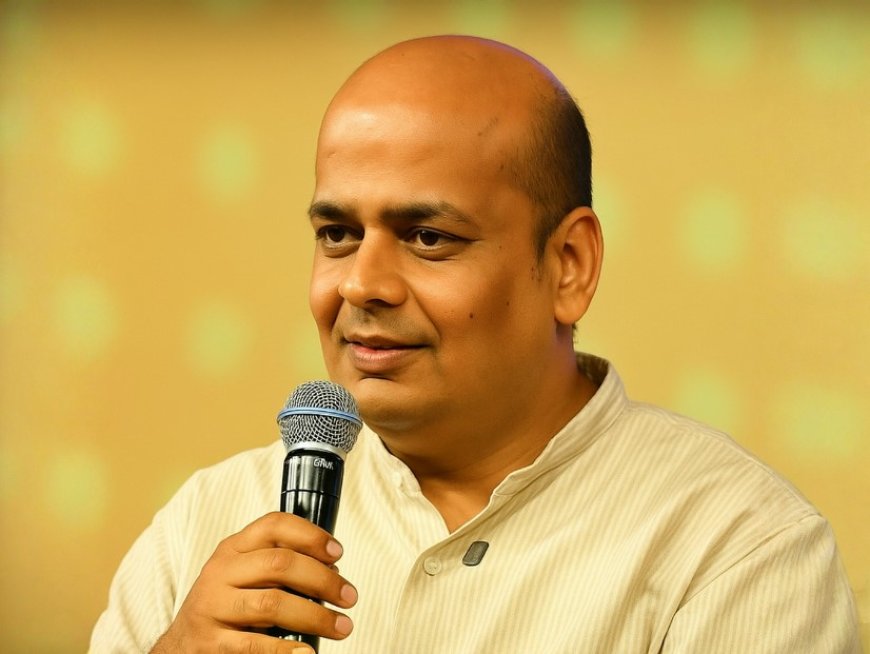
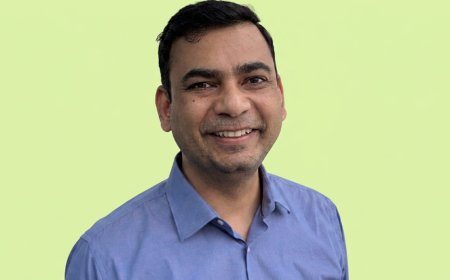
At this year’s Goafest, a key voice from the brand side took center stage to address one of the most pressing issues facing marketers today: the health and integrity of the digital media landscape. Tejas Apte, Global Media Director at Hindustan Unilever (HUL), delivered a compelling call for industry-wide transformation during his session — urging platforms, agencies, and brands to come together to build a cleaner, safer, and smarter digital ecosystem.
His message wasn’t about technical tools or media buys alone. It was a call to action that touched upon transparency, consumer trust, responsible media investment, and the larger societal implications of digital advertising.
The State of Digital Media: A Double-Edged Sword
Apte began by acknowledging the transformational power of digital platforms. From personalization to real-time measurement, data-driven targeting to direct consumer interaction — digital media has revolutionized brand building. But as with all powerful tools, misuse and unintended consequences are inevitable.
He highlighted growing concerns such as:
-
Ad fraud and misleading metrics
-
Unsafe content adjacency, where brand ads appear alongside harmful or inappropriate content
-
Lack of transparency in ad-tech supply chains
-
Data privacy concerns
-
Misinformation and harmful algorithms
Apte’s stance was clear: The digital ecosystem, while incredibly potent, must evolve to become more responsible and trustworthy — not just effective.
Why the Shift is Urgent
Apte pointed out that digital’s growth has outpaced its governance. With media spending tilting heavily towards online platforms, especially mobile-first and video-heavy formats, brands often prioritize reach over responsibility. This, he noted, is a risk not only to brand reputation but also to consumer well-being and societal health.
He argued that media dollars are votes — and where brands choose to invest speaks volumes. Supporting platforms that allow hate speech, misinformation, or privacy violations contradicts the values many brands claim to stand for.
Therefore, the industry needs to move away from “buying blind” and adopt frameworks that emphasize transparency, verified content, and brand safety.
Three Pillars: Clean, Safe, Smart
Apte outlined three foundational principles for building a healthier digital environment:
1. Clean Media Supply Chains
The ad-tech supply chain is often complex and opaque, with multiple intermediaries between the brand and the publisher. This can lead to media wastage, ad fraud, and difficulty in tracking performance.
Apte urged brands to demand:
-
Clear reporting on where their ads appear
-
Supply-path optimization to reduce inefficiencies
-
Third-party audits and verification tools
-
Direct relationships with credible publishers and platforms
He emphasized that just as we expect transparency in product sourcing and sustainability, media buying should be held to similar ethical standards.
2. Safe Advertising Environments
The second principle revolves around brand safety and suitability. Apte highlighted the damage brands can suffer when their ads appear next to controversial or harmful content. In an age where content spreads rapidly, association by adjacency can have serious consequences.
He urged brands to:
-
Adopt dynamic content screening tools
-
Work with platforms that have strong content moderation policies
-
Create brand-specific safety guidelines, not just rely on platform defaults
-
Support initiatives tackling fake news and harmful narratives
He emphasized that consumer trust is hard-won but easily lost, and safe environments are foundational to sustaining that trust.
3. Smarter Data Use and Audience Intelligence
Apte’s third focus was on smart, ethical, and data-informed marketing. While digital media enables micro-targeting and personalized experiences, brands must ensure they are respecting user privacy and preferences.
He recommended:
-
Embracing privacy-first strategies, especially in a post-cookie world
-
Building first-party data ecosystems responsibly
-
Leveraging AI and automation with ethical oversight
-
Focusing on contextual relevance rather than intrusive personalization
According to Apte, smarter media isn’t just about performance — it’s about long-term brand equity and consumer respect.
The Role of Marketers as Ecosystem Leaders
One of the most impactful moments of Apte’s address was his reminder that marketers are not just buyers—they are influencers of the media ecosystem. By choosing where to spend, which tools to trust, and what values to uphold, brands can steer the industry in a better direction.
He invited fellow marketers to stop treating digital accountability as a compliance task and instead embed it into brand purpose and decision-making. After all, consumers expect brands to stand up for more than just product quality—they look for integrity in all facets of brand behavior.
Industry Collaboration Is Key
Apte also emphasized that change cannot come from one player alone. He called for greater collaboration across the media ecosystem:
-
Agencies need to integrate brand safety audits and clean buying practices
-
Tech platforms must be more accountable and open to regulation
-
Advertisers should unite to set common standards and benchmarks
-
Trade bodies and associations can play a stronger role in setting ethical norms
He acknowledged ongoing global initiatives like the Global Alliance for Responsible Media (GARM) and local movements pushing for cleaner advertising — urging Indian stakeholders to accelerate adoption.
Audience Takeaway: A Call to Action
The Goafest crowd, comprised of brand leaders, media planners, publishers, and agency heads, responded to Apte’s session with renewed attention. His message wasn’t just another media strategy lecture — it was a challenge to all in the room to lead with responsibility.
He left attendees with a simple reflection: “If your brand disappeared tomorrow, would people miss it? Now ask — if your media practices disappeared, would the internet be better off?”
That thought lingered, making it clear that ethical media planning is no longer optional—it’s essential.
Conclusion: The Future Belongs to Responsible Media
As digital continues to dominate the marketing landscape, integrity, transparency, and intelligence must become cornerstones of all digital media decisions. Tejas Apte’s thought leadership at Goafest 2025 was more than a corporate message—it was a manifesto for the future of advertising.
Brands that lead with purpose, platforms that enable safety, and agencies that demand clarity will shape a digital world that's not only smarter, but more sustainable — for everyone.
What's Your Reaction?
 Like
0
Like
0
 Dislike
0
Dislike
0
 Love
0
Love
0
 Funny
0
Funny
0
 Angry
0
Angry
0
 Sad
0
Sad
0
 Wow
0
Wow
0