

























Clovia's AstroFit: When the Stars Sell Lingerie
Clovia's AstroFit April Fools' prank blended astrology with lingerie personalisation — here's why this campaign is a masterclass in cultural marketing for Indian brands.

Introduction
What if your horoscope could tell you which colour lingerie to wear today? Absurd? Absolutely. Irresistible? Completely.
India's digital consumers are deeply invested in astrology — from daily Insta zodiac reels to Co-Star app downloads spiking every Mercury retrograde. Clovia, one of India's most digitally native lingerie brands, saw that cultural wave and did something bold: they surfed it — and then pulled the rug out on April 1st.
Here's why AstroFit is more than just a prank. It's a textbook lesson in culturally intelligent brand marketing.
The Big Announcement
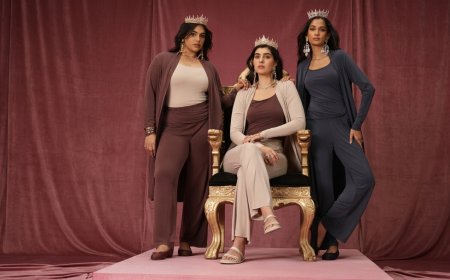
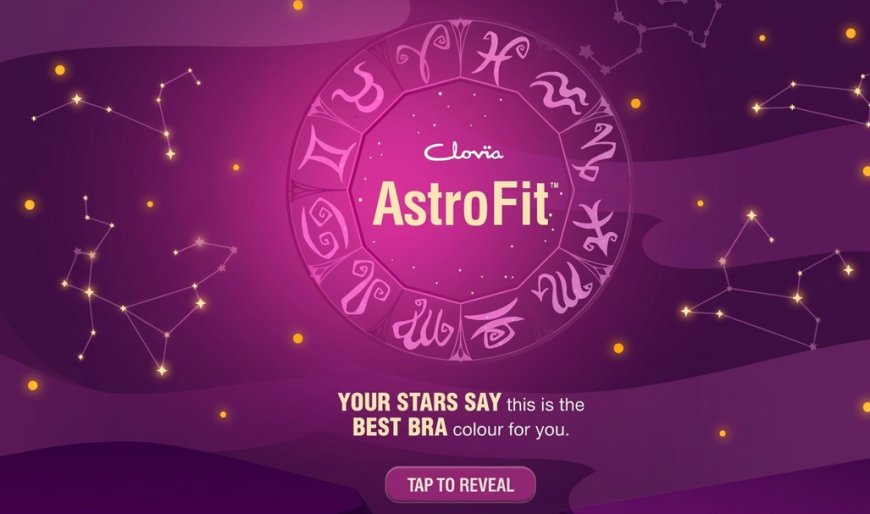
On April 1, 2026, Clovia launched AstroFit — a digital tool promising to recommend the ideal lingerie colour based on a user's sun sign and daily horoscope. The pitch was simple, playful, and perfectly timed: wear what the cosmos prescribes, starting from your first layer.
Social media users took the bait enthusiastically. Many clicked through, exploring what cosmic colour their sign demanded for the day. Only after engaging did they discover the twist — it was an April Fools' Day campaign, crafted entirely for laughs, shares, and brand love.
The campaign leaned into a genuine consumer belief: that colour and clothing shape mood and mindset. By rooting the joke in an insight that many people already hold, Clovia made the prank feel clever rather than cheap.
No hard sell. No discount code. Just a culturally tuned creative moment.
What This Means for Your Brand
AstroFit is a case study in what happens when a brand stops interrupting culture and starts joining it.
Consider this: astrology content routinely drives some of the highest organic engagement on Instagram and YouTube in India. Zodiac-themed posts outperform generic lifestyle content across age groups 22–38 — precisely the sweet spot for a brand like Clovia.
Three implications for Indian marketers:
1. Cultural hooks beat product-led messaging. AstroFit never led with a product. It led with an idea — "what if the stars could dress you?" — and that curiosity did the distribution work.
2. Humour builds brand permission. Brands that can laugh at themselves — or with their audience — earn a different kind of loyalty. April Fools campaigns done well signal confidence. Clovia didn't need a sale to stay relevant on April 1st.
3. Hyper-personalisation doesn't always need AI. Here's the contrarian take: AstroFit mimicked personalisation theatre. It wasn't real. But it felt personal — because it used the user's zodiac sign as a hook. Sometimes the illusion of personalisation is enough to drive engagement. That's a provocative truth for brands spending crores on recommendation engines.
The Numbers Behind the News
India's astrology market is estimated to be worth over ₹2,200 crore, with digital astrology platforms growing rapidly in urban and semi-urban markets. Gen Z and millennials — Clovia's core consumers — are among the heaviest consumers of zodiac content online.
According to a 2024 report by Redseer, personalisation-led campaigns in India's D2C fashion and lifestyle sector drive up to 2.3x higher click-through rates compared to generic product campaigns.
Rachika Singh, Senior Brand Manager at Clovia, framed it clearly: the goal was to tap into the internet's deep affinity for horoscope culture while layering on Clovia's own playful brand personality. That combination — cultural relevance plus brand voice — is exactly the formula that makes a campaign travel beyond paid reach.
AstroFit didn't need a media budget to trend. It needed an insight and a sense of humour.
The brands.in Perspective
Most April Fools' campaigns age badly — they feel forced, try too hard, or worse, confuse the audience. AstroFit avoided all three traps.
Why? Because Clovia didn't invent a fake trend. They borrowed a real one — India's genuine, growing obsession with astrology — and applied it to their product category with self-aware wit.
The risk for brands copying this playbook: the insight has to be authentic to your category. Lingerie and colour psychology actually do connect. Don't force zodiac content onto a B2B SaaS product and call it culture. Context still matters.
But for consumer brands with a lifestyle angle? The stars — pun intended — are aligned.
Key Takeaways for Marketers
- Borrow from culture, don't manufacture it — authenticity drives shareability
- April Fools works best when rooted in a real consumer insight
- Astrology is a high-engagement content vertical for Indian D2C brands
- Personalisation theatre can drive engagement without costly tech
- Humour builds brand trust when it matches the brand's personality
Frequently Asked Questions
Q: What was Clovia's AstroFit campaign? AstroFit was a digital tool launched by Clovia on April 1, 2026, that claimed to recommend lingerie colours based on a user's horoscope. It was revealed as an April Fools' Day campaign designed to drive engagement through humour and cultural relevance.
Q: Why do astrology-themed brand campaigns perform well in India? India has one of the world's largest and most engaged astrology audiences. Zodiac content consistently drives high organic reach on social platforms, particularly among millennials and Gen Z consumers aged 22–38 who are also primary e-commerce buyers.
Q: Can small brands replicate Clovia's April Fools' strategy? Absolutely. The key is finding a cultural insight that genuinely connects to your product category. A small budget matters less than a sharp, well-timed idea rooted in something your audience already cares about.
Closing Thought
What's your brand's "AstroFit moment" — the cultural hook hiding in plain sight that you haven't used yet?
Drop your thoughts in the comments below. And if you want daily brand intelligence like this delivered straight to your feed, follow brands.in — where India's marketing conversation never sleeps.
What's Your Reaction?
 Like
0
Like
0
 Dislike
0
Dislike
0
 Love
0
Love
0
 Funny
0
Funny
0
 Angry
0
Angry
0
 Sad
0
Sad
0
 Wow
0
Wow
0