






















Collective Artists Network Enters Fine Arts: What It Means for Indian Brand Culture
Collective Artists Network enters fine arts by signing Nikheel Aphale. Here's what it means for Indian brands navigating culture-led partnerships in 2026.

Introduction
What happens when the company behind some of India's biggest creator ecosystems decides that a canvas belongs right next to a content studio? Collective Artists Network has stepped into the fine arts arena — and the move is far more strategic than it looks on the surface. By signing contemporary visual artist Nikheel Aphale, whose works sit in the corporate collections of Goldman Sachs and Google, Collective is signalling something profound: that in India's evolving cultural economy, art is no longer a side conversation for brands. It's the main stage.
What Just Happened
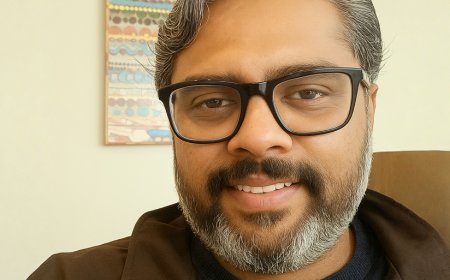
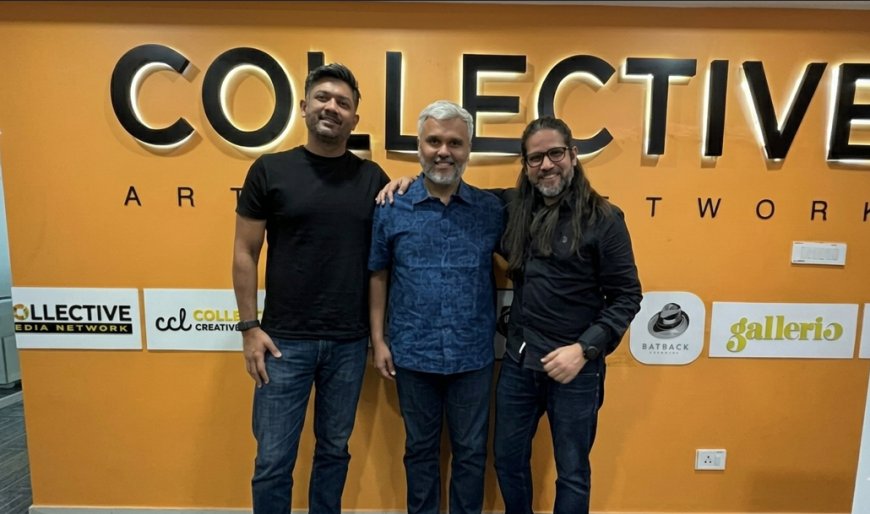
Collective Artists Network has formally announced its entry into the fine arts category through the signing of Nikheel Aphale, a contemporary visual artist known for transforming written script — particularly Devanagari — into emotionally resonant visual experiences. Aphale continues to be exclusively represented by Artisera, India's prominent contemporary and traditional art platform, making this a collaborative arrangement rather than an exclusive acquisition.
This is a notable structural distinction. Collective isn't replacing Aphale's existing art representation — it's layering an ecosystem around him. The company, which has built influential networks across talent management, digital creators, culture-led IPs, brand partnerships, and original content, now formally extends its footprint into contemporary fine art. For an organisation that prides itself on breaking cultural silos, this signing is consistent with its founding philosophy: that cinema, creators, music, communities, and art are interconnected forces, not separate industries.
What This Means for Your Brand
For Indian brands — particularly those in luxury, finance, FMCG, and tech — this development opens a genuinely new creative conversation.
First, consider what Aphale's profile signals. His works are held in the private collections of global financial institutions and technology majors. That's not a vanity metric — it reflects a growing understanding among serious global brands that Indian contemporary art carries cultural equity, not just aesthetic value.
Second, Collective's infrastructure now bridges brand partnerships with fine art in a way that has rarely been formalised in India. A brand wanting to co-create a culturally rooted campaign no longer needs to navigate the fragmented art world independently. The ecosystem is now housed under one roof.
Third — and this is the contrarian view worth considering — brands should resist the temptation to treat this as simply a new influencer channel. Aphale's practice is deeply personal, rooted in spirituality, language, and heritage. Brands that approach this space purely transactionally risk diluting both the artist's integrity and their own cultural credibility. The opportunity here is not endorsement. It is genuine co-creation.
Expert Take
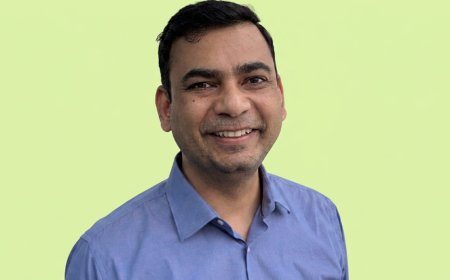
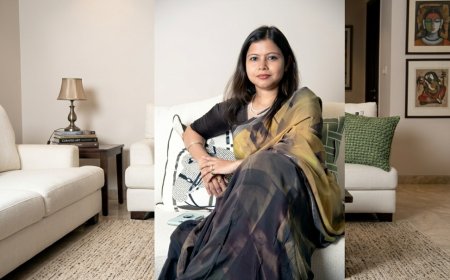
Varun Backliwal, Founder of Artisera, put it plainly: the new generation of Indian artists is engaging with heritage in ways that are simultaneously contemporary and deeply personal. That duality is commercially valuable. India's art market has been gaining consistent global traction — auction records, international gallery interest, and collector diversification have all accelerated post-pandemic. Dhruv Chitgopekar, Co-Founder and Partner at Collective Artists Network, pointed to Devanagari script as a specific cultural thread that Aphale uses to connect India's rich heritage with a global audience. In a market where cultural authenticity is increasingly a differentiator — not a default — this kind of precise, intentional positioning matters for any brand looking to partner meaningfully with the arts.
The brands.in Perspective
Let's call this what it actually is: a structural upgrade for how Indian creative commerce can be organised. Collective Artists Network is not just adding an artist to a roster — it's arguing, with this move, that fine art deserves the same professional infrastructure as digital content or cinema. That's a bold claim, and a necessary one. Indian brands have historically under-invested in authentic cultural partnerships, leaning instead on celebrity and reach. If this model works, it could redefine what a "brand-culture collaboration" looks like in India's next decade.
Key Takeaways for Marketers
- Collective Artists Network has officially entered the fine arts space
- Nikheel Aphale's work spans Goldman Sachs and Google's corporate collections
- Artisera retains exclusive art representation; Collective adds ecosystem support
- Devanagari-based visual art offers brands a culturally authentic creative asset
- This signals a broader shift: Indian contemporary art is entering brand strategy conversations
FAQ Section
Who is Nikheel Aphale and why does he matter for brands? Nikheel Aphale is a contemporary Indian visual artist whose work translates written script — especially Devanagari — into visual emotion. His presence in corporate collections of firms like Goldman Sachs and Google makes him a culturally credible partner for premium brands.
What does Collective Artists Network's fine arts entry mean practically? It means brands can now access contemporary fine art partnerships through an established talent and culture ecosystem — without navigating the fragmented art world independently.
Is this just about influencer-style art collaborations? No. Aphale's practice is rooted in spirituality and heritage. Brands should approach this as an opportunity for genuine cultural co-creation, not transactional endorsement.
Closing
India's cultural economy is no longer running on just Bollywood and cricket — and Collective Artists Network just placed a serious bet on what comes next. Does your brand have a fine arts strategy yet? If not, it might be time to start one. Follow brands.in for daily intelligence on where Indian brand culture is heading — before it becomes the headline everyone's chasing.
What's Your Reaction?
 Like
0
Like
0
 Dislike
0
Dislike
0
 Love
0
Love
0
 Funny
0
Funny
0
 Angry
0
Angry
0
 Sad
0
Sad
0
 Wow
0
Wow
0