



















Romance Meets the Scroll Era: How Harlequin and Dashverse Are Reinventing Storytelling for Mobile-First India and Beyond
Harlequin and Bengaluru-based Dashverse have announced a multi-year deal to co-produce 40 animated microdramas from Harlequin's Romance catalogue. Powered by Dashverse's AI-driven Frameo platform, the mobile-first series launches globally in April 2026 — signalling a major shift in how beloved literary IP is being reimagined for today's short-form, scroll-first content audiences.

Introduction
There are roughly 800 million people on this planet who have read a Harlequin romance novel. The themes are universal — love found, love lost, love reclaimed against impossible odds. But the format? That has always been the printed page. Until now. In a world where the average viewer consumes content in stolen minutes between meetings, commutes, and school runs, one of publishing's most beloved institutions has made a decisive move into the era of the scroll. And a Bengaluru-based startup is the unlikely partner making it happen.
The Big Announcement
Global romance publishing giant Harlequin and Bengaluru-based content technology company Dashverse have announced a landmark multi-year strategic partnership to co-produce a slate of 40 animated microdramas drawn directly from Harlequin's celebrated Romance catalogue — one of the most emotionally resonant fiction libraries ever assembled.
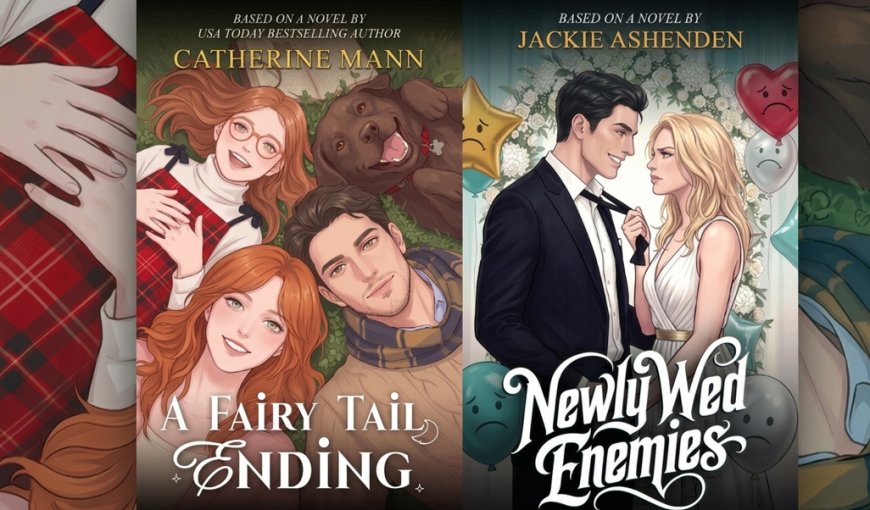
The collaboration launches in April 2026 with its debut adaptation — a title drawn from author Catherine Mann's work — marking the first time Harlequin's iconic storytelling universe enters the animated microdrama format at scale.
What makes this partnership technically distinctive is Dashverse's proprietary production platform, Frameo — a purpose-built system designed specifically for creating high-quality, serialised video content at speed and scale. Built for mobile-first consumption, the microdramas are designed to deliver the emotional depth and narrative richness that Harlequin readers have loved for decades — compressed into concise, visually engaging episodes built for on-the-go viewing.
The content will be distributed globally in English across leading short-form drama platforms, including Dashverse's own DashReels property, targeting an audience of short-form serialised content viewers that is growing faster than almost any other segment in global digital entertainment.
Further adaptations are already confirmed for release in May 2026, with titles from authors JC Harroway, Jackie Ashenden, LaQuette, and others — signalling that this is a sustained content strategy, not a single experimental release.
What This Means for Your Brand
The Harlequin-Dashverse partnership carries implications that extend well beyond the publishing and entertainment industries. For Indian brands, marketers, and content strategists, it is a signal worth decoding carefully.
First, the microdrama format is not a passing trend — it is a structural shift in content consumption. Short-form serialised drama has already demonstrated explosive growth across markets including China, South Korea, and Southeast Asia. India, with its combination of affordable mobile data, a massive smartphone user base, and a deeply storytelling-oriented culture, is positioned to be one of the format's biggest growth markets globally. Brands that understand this shift early — and find ways to participate authentically — will have a significant first-mover advantage.
Second, intellectual property is becoming the new infrastructure of the content economy. The strategic logic behind this deal is straightforward and powerful: some of the world's most emotionally compelling stories already exist in Harlequin's library. The challenge was never the content — it was finding the right format and distribution mechanism to reach new audiences with it. For Indian media companies, publishers, and even brand content studios sitting on rich archives of stories, characters, and cultural material, this partnership is a direct invitation to rethink what their IP is actually worth in a mobile-first world.
Third, AI-assisted production is quietly democratising premium content creation. Dashverse's Frameo platform represents something genuinely significant — the ability to produce high-quality animated serialised content at a scale and cost structure that was previously impossible outside major studio budgets. For Indian content brands, regional storytelling platforms, and even large advertisers exploring branded entertainment, this kind of production infrastructure changes the economics of the conversation entirely.
The honest caution worth raising: adapting beloved literary IP into a new format always carries the risk of disappointing existing fans. The emotional intimacy of a Harlequin novel is deeply tied to the reader's imagination. Translating that into a fixed visual format is a creative challenge as much as a technical one — and the quality of execution will ultimately determine whether this partnership builds a new audience or alienates an existing one.
The Numbers Behind the News
The global microdrama market has been one of the most surprising growth stories in digital entertainment over the past three years. What began as a mobile-native content format in Asian markets has rapidly expanded into Western audiences, with platforms reporting viewer engagement metrics that significantly outperform traditional short-form video content.
Harlequin's publishing legacy spans decades, with a catalogue of titles that have collectively reached readers across more than 100 countries and dozens of languages. The emotional universality of romance as a genre — its themes of connection, vulnerability, and human longing — translates across cultures with a consistency that very few content categories can claim.
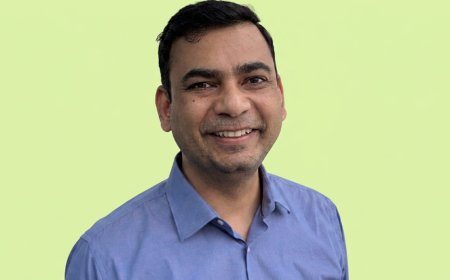
Sanidhya Narain, CEO and Co-Founder of Dashverse, articulated the strategic vision behind the partnership with clarity — noting that the most powerful stories in the world already exist and simply need to be experienced in new ways. His framing of this as a step toward building global entertainment franchises from existing intellectual property, powered by artificial intelligence, is arguably the clearest articulation of where the content industry is heading that has emerged from an Indian startup in recent memory.
For Indian brands watching this space, the convergence of AI-assisted production, mobile-first distribution, and globally resonant IP is not a future scenario. It is the present reality — and this partnership is evidence of it.
The brands.in Perspective
What Dashverse has done here is genuinely impressive — and deserves more recognition in Indian startup and media circles than it is likely to receive. Partnering with a global publishing institution of Harlequin's stature, building the production infrastructure to adapt 40 titles at scale, and positioning the output for global distribution is not a small creative project. It is a content business architecture. The deeper lesson for Indian media and brand strategists is this: the era of building original IP from scratch as the only path to content market relevance is ending. The smarter play — the one Dashverse has just executed — is finding underserved IP, building the technology to reimagine it for new formats, and owning the distribution layer. That is a repeatable model. And India, with its extraordinary depth of literary, mythological, and cultural storytelling heritage, has more raw material for this approach than almost any other market on earth.
Key Takeaways for Marketers
- The microdrama format is moving from Asian markets into global mainstream — Indian brands should engage now rather than play catch-up
- Existing intellectual property is dramatically undervalued as a content asset in most Indian media and brand portfolios
- AI-assisted production platforms are fundamentally changing the cost and scale economics of premium content creation
- Mobile-first serialised storytelling is where emotionally engaged audiences are spending an increasing share of their attention
- Indian startups are building globally competitive content technology infrastructure — a significant opportunity for brand partnerships
FAQ
What is the Harlequin and Dashverse partnership about? It is a multi-year agreement to co-produce 40 animated microdramas based on Harlequin Romance novels, using Dashverse's proprietary AI-assisted production platform Frameo. The content will be distributed globally across short-form drama platforms including DashReels, launching in April 2026 with further titles confirmed for May.
What is Frameo and why does it matter? Frameo is Dashverse's purpose-built production system designed to create high-quality serialised animated video at scale. It enables a team of illustrators supported by AI workflows to produce content that retains narrative and emotional depth while being optimised for mobile-first, on-the-go consumption — changing the economics of premium content production significantly.
Why is this partnership relevant for Indian brands and marketers? It signals several converging trends that will reshape content strategy in India — the rise of mobile-first serialised drama, the commercial potential of reimagining existing IP for new formats, and the emergence of Indian startups as credible global content technology players. Brands investing in content partnerships and entertainment marketing need to understand these dynamics now.
The Story Is Just Beginning
Is your brand sitting on untapped storytelling assets while the content consumption landscape reshapes itself around you? The Harlequin-Dashverse partnership is a reminder that the most powerful stories do not always need to be written from scratch — they need to be reimagined for the moment. Share your perspective below and follow brands.in for daily intelligence on the content strategies, technology partnerships, and cultural shifts defining the future of Indian and global brand building.
What's Your Reaction?
 Like
0
Like
0
 Dislike
0
Dislike
0
 Love
0
Love
0
 Funny
0
Funny
0
 Angry
0
Angry
0
 Sad
0
Sad
0
 Wow
0
Wow
0