






















Pringles Pops Into ATL: India's First Big Campaign Is Here
Pringles launches its first ATL campaign in India with a digital film built around its iconic can pop and crunch, marking a major shift from BTL to mass storytelling.

Introduction
What does it take for a globally iconic snack brand to finally go big in India? Apparently, a bus ride, a satisfying pop, and the courage to move beyond sampling stalls and in-store activations. Pringles, one of the world's most recognisable snack brands, has just launched its first-ever above-the-line campaign in India — a digital film that transforms a mundane commute into a collective, joyful experience. For Indian marketers watching the FMCG space, this shift is worth examining closely. Here is the full story.
The Big Announcement
Pringles, under parent company Kellanova, has launched its first above-the-line campaign in India — a significant strategic shift for a brand that has historically relied on below-the-line activations to build market presence.
For those unfamiliar with marketing terminology: below-the-line marketing refers to targeted activations like in-store promotions, sampling drives, and events. Above-the-line marketing means mass-reach communication — television, digital films, outdoor — designed to build broad brand awareness at scale.
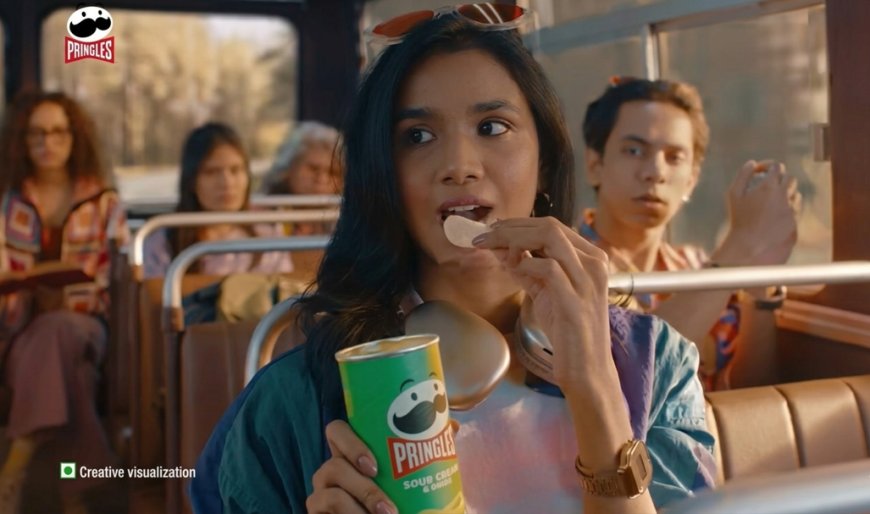
The new digital film is set inside an Indian city bus — one of the country's most universally relatable everyday environments. A routine commute gradually transforms into a spontaneous, rhythmic, shared experience as passengers respond to the unmistakable pop of a Pringles can and the crunch of its signature saddle-shaped crisps.
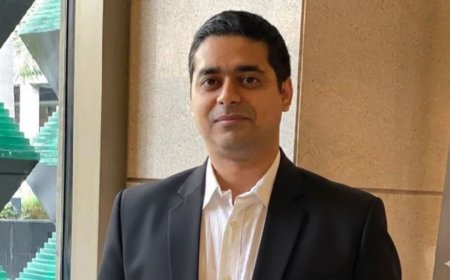
Rachit Vohra, Senior Director of Sales at Kellanova, noted that the campaign draws on Pringles' established brand cues — the iconic can, the distinctive pop, the unique crisp shape — and translates them into a broader shared cultural moment as the brand scales its India presence.
What This Means for Your Brand
Pringles' ATL debut in India is a textbook example of a global brand reaching a strategic inflection point — and every FMCG marketer in the country should pay attention.
Three key marketing implications stand out:
BTL builds depth, ATL builds scale. Pringles spent years building product familiarity through targeted activations. That foundation of trial and recognition now gives the brand a platform to amplify through mass storytelling. This sequenced approach — establish product experience first, then scale emotionally — is smarter than many brands that rush to television without building consumer understanding first.
Sensory marketing is an underused superpower. The entire campaign is built around sound — the pop of a can, the crunch of a crisp. In a country where audio branding is still largely underexplored, Pringles is tapping into a visceral, memory-triggering brand asset. Indian snack brands from regional players to national giants rarely invest in owning a sound. Pringles just claimed one.
The bus setting is culturally intelligent. Choosing a bus — not a party, not a premium lounge — as the campaign setting speaks directly to mass India. It signals that Pringles is not positioning itself as an elite imported snack but as an everyday, shareable joy for every Indian consumer.
The forward-looking question? Can Pringles sustain ATL investment consistently enough to shift from recognition to genuine purchase habit in India's fiercely competitive snacks market?
The Numbers Behind the News
India's packaged snacks market is one of the fastest-growing food categories in the country, driven by urbanisation, rising disposable incomes, and a young population with strong snacking habits. The premium snacks segment — where Pringles competes — is expanding steadily as consumers trade up from traditional namkeen and local chips to international formats.
Pringles' decision to enter ATL communication now is strategically timed. With quick commerce platforms like Blinkit and Zepto dramatically improving urban availability of premium snacks, the product is more accessible than ever before. Building brand pull through mass storytelling at this moment — when distribution has matured — follows sound marketing logic.
Rachit Vohra emphasised that Pringles has built recognition not just around the product but around the entire experience — the pop, the shape, the can, the cultural presence. That multi-sensory brand equity is now being amplified through a format that reaches millions simultaneously.
The brands.in Perspective
Pringles just taught Indian FMCG brands a quiet but important lesson — own your product's sensory signature before you scale your story. The pop of that can is not just a sound effect. It is a brand asset built over decades, and this campaign deploys it brilliantly in a deeply Indian setting. What makes this debut genuinely exciting is its restraint. No celebrity. No festival hook. No discount messaging. Just a bus, a can, and a crunch that brings strangers together. In India's overcrowded snacks category, that kind of simplicity is actually radical.
Key Takeaways for Marketers
- Pringles' ATL debut marks a major strategic shift from BTL-led to mass storytelling marketing
- Sensory brand assets like signature sounds are powerful and widely underused in India
- Sequencing BTL before ATL builds stronger consumer foundations for mass campaigns
- Everyday Indian settings outperform aspirational backdrops for mass FMCG storytelling
- Premium snack brands must invest in ATL now as quick commerce improves urban availability
FAQ
What is Pringles' first ATL campaign in India about? Pringles launched its first above-the-line digital film in India featuring a bus commute that transforms into a shared, joyful experience triggered by the brand's signature can pop and crisp crunch, marking a shift from BTL activations to mass storytelling.
What is the difference between ATL and BTL marketing? Above-the-line marketing targets mass audiences through broad channels like digital films, television, and outdoor advertising. Below-the-line marketing uses targeted activations like in-store promotions, sampling, and events. Pringles has now moved from BTL-led to ATL communication in India.
Who makes Pringles in India? Pringles is owned by Kellanova, the global snacks company. In India, Rachit Vohra serves as Senior Director of Sales, overseeing the brand's expansion and its first above-the-line marketing push in the market.
Closing
Pringles just proved that sometimes the most powerful marketing idea fits inside a cylindrical can. Is your brand sitting on a sensory signature it hasn't fully explored yet? Tell us in the comments and follow brands.in for daily brand intelligence, campaign launches, and FMCG marketing insights that keep you sharp all year round.
What's Your Reaction?
 Like
0
Like
0
 Dislike
0
Dislike
0
 Love
0
Love
0
 Funny
0
Funny
0
 Angry
0
Angry
0
 Sad
0
Sad
0
 Wow
0
Wow
0