



























Women's Day 2026: Brands Finally Move Beyond Flowers & Filters
Women's Day 2026 campaigns by Zomato, BIBA, PregaNews & Zepto tackle real bias — postpartum depression, glass ceilings & gendered language. Here's the brand breakdown.

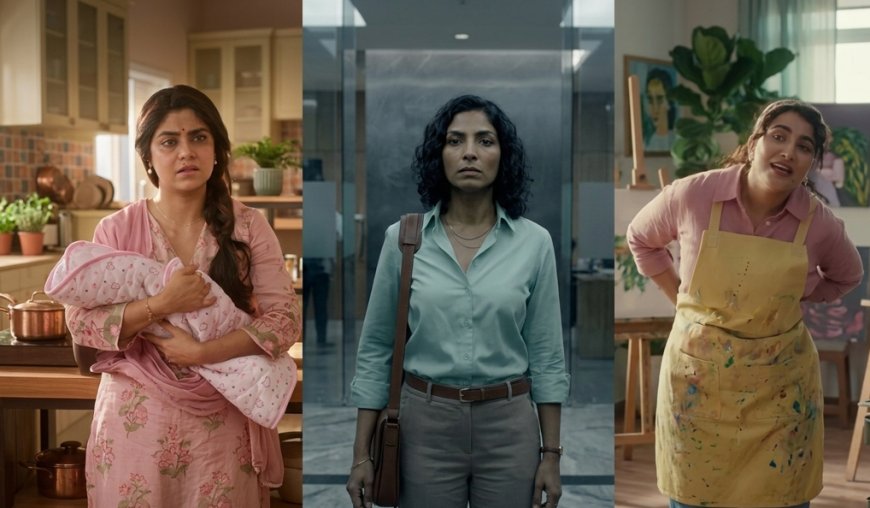
This Women's Day, Indian Brands Stopped Celebrating and Started Confronting.
From postpartum depression to glass ceilings — 2026's campaigns ditched the pink filters for real conversations.
How many Women's Day campaigns have you seen that end with a woman smiling at a bouquet? Too many to count. But something shifted in 2026.
This year, Women's Day brand campaigns in India took a noticeably harder turn — away from feel-good tributes and toward uncomfortable truths. Postpartum depression. Gendered language in offices. Structural barriers to leadership. Female delivery partners fielding unsolicited questions on the job.
Brands like Zomato, BIBA, PregaNews, Shemaroo Entertainment, and Zepto decided that the most powerful thing they could do on March 8 wasn't celebrate women — it was challenge the systems that hold them back.
Here's what each brand did, and why it matters for Indian marketing.
What Just Happened
This Women's Day, a clear creative shift emerged across Indian brand campaigns: storytelling moved from aspiration to accountability.
Zomato released a digital film spotlighting the everyday bias faced by its female delivery partners — the raised eyebrows, the unsolicited questions, the surprise on customers' faces when a woman shows up at the door. With over 3,500 active women delivery partners completing more than 500,000 orders every month, this wasn't a token gesture. It was a brand putting its own workforce at the centre of its most visible campaign of the year.
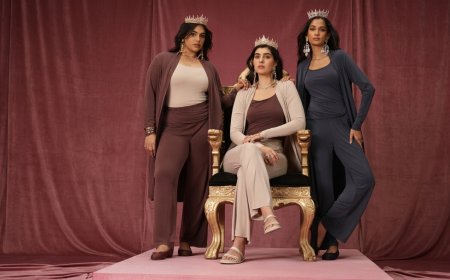
BIBA addressed the glass ceiling directly, challenging gendered assumptions about women in leadership roles. PregaNews broke new ground by opening a conversation around postpartum depression — a topic rarely touched by mainstream Indian advertising. Shemaroo Entertainment and Zepto rounded out the cohort with campaigns tackling gendered language and structural barriers that persist in both workplaces and homes.
Across the board, the message was consistent: celebrating women without addressing the systems they navigate is no longer enough.
What This Means for Your Brand
The creative pivot visible in Women's Day 2026 campaigns isn't just a moral evolution — it's a strategic one.
Indian consumers, especially women aged 25–40, have grown sharply skeptical of performative brand activism. A purple-tinted post with "Here's to every woman" copy doesn't move the needle anymore. What does? Specificity, accountability, and campaigns rooted in a brand's actual relationship with women — as employees, customers, or stakeholders.
Three implications for Indian brands:
1. Your workforce is your campaign. Zomato's masterstroke was making its own female delivery partners the story. This works because it's verifiable — the 3,500 women and 500,000 monthly orders aren't marketing claims, they're operational facts. Brands that can point to real internal data and real women in their ecosystem will always outperform those who hire actresses to play empowered archetypes.
2. Taboo topics are brand-building opportunities. PregaNews addressing postpartum depression is a significant moment. A pregnancy test brand talking about what happens after the positive result — the hardest part — signals genuine understanding of its customer's journey. Brands in the health, wellness, and femtech space should take note.
3. Language is a product brief. BIBA and Zepto's focus on gendered language reflects a growing consumer expectation: that brands should audit not just their campaigns, but their internal culture and communication. This is brand-building that starts from the inside out.
The contrarian view? Cause-led campaigns only hold weight when backed by consistent brand behaviour year-round. One Women's Day film doesn't fix a gender pay gap.
Expert Take
The shift in Women's Day 2026 advertising reflects a broader maturation in how Indian brands approach gender — moving from representation as aesthetics to representation as accountability.
Research consistently shows that purpose-driven campaigns perform better when they're rooted in a brand's core product or service reality rather than borrowed cultural sentiment. Zomato's campaign works precisely because it's inseparable from the brand's operations. PregaNews' works because postpartum health is a natural and honest extension of their product purpose.
For Indian marketers, the data signal is clear: consumers reward brands that show receipts. Campaigns that cite real numbers, feature real people, and address real friction points in women's lives generate stronger brand affinity than aspirational storytelling alone — particularly among urban women in the 25–44 age bracket, one of India's fastest-growing consumer segments.
The brands.in Perspective
Let's be direct: most Women's Day campaigns are still performative. One good film on March 8 doesn't make a brand genuinely women-forward — especially if the leadership team is 80% male and the pay gap is undisclosed.
What makes 2026 different is the handful of brands — Zomato leading the pack — that anchored their campaigns in operational reality, not aspiration theatre. That's the standard worth setting.
Indian brands have a real opportunity here. Women represent over 50% of purchase decisions across FMCG, apparel, health, and food delivery. Treating Women's Day as a compliance event is not just tone-deaf — it's expensive.
Key Takeaways for Marketers
- Campaigns rooted in real workforce data outperform aspirational storytelling
- Taboo topics like postpartum depression are powerful brand-trust builders
- Gendered language in campaigns (and offices) is now a brand risk
- Consumers reward brands that show year-round gender accountability
- Women aged 25–44 are India's most valuable and most skeptical audience
FAQ
Q: What made Zomato's Women's Day 2026 campaign stand out? Zomato centred its campaign on its actual female delivery partners — 3,500 women handling 500,000+ monthly orders. Grounding the campaign in real operational data made it credible and specific, rather than generically celebratory like most Women's Day advertising.
Q: Which brands ran the most impactful Women's Day 2026 campaigns in India? Zomato, BIBA, PregaNews, Shemaroo Entertainment, and Zepto all released notable campaigns. Each addressed a distinct issue — workplace bias, postpartum depression, gendered language, and leadership barriers — moving beyond surface-level celebration.
Q: How should brands approach Women's Day campaigns to avoid being called performative? Ground the campaign in your brand's actual relationship with women — as employees, customers, or partners. Back claims with real data. Address issues that connect directly to your product or service. And most importantly, ensure the campaign reflects year-round brand behaviour, not just a March 8 moment.
Your Turn
Is your brand's Women's Day campaign telling the truth — or telling a story? What would it look like if Indian brands committed to gender accountability 365 days a year, not just on March 8?
Drop your thoughts below and follow brands.in for daily brand intelligence that keeps Indian marketers thinking sharper.
What's Your Reaction?
 Like
0
Like
0
 Dislike
0
Dislike
0
 Love
0
Love
0
 Funny
0
Funny
0
 Angry
0
Angry
0
 Sad
0
Sad
0
 Wow
0
Wow
0