






























Far from Obsolete: Why Television Remains a Powerful Economic Force in 2025
Despite the rise of digital media, television remains a dominant force in advertising and content delivery. Discover why TV still works and continues to hold economic value in the modern media landscape.

Introduction: TV Isn’t Dead – It’s Evolving
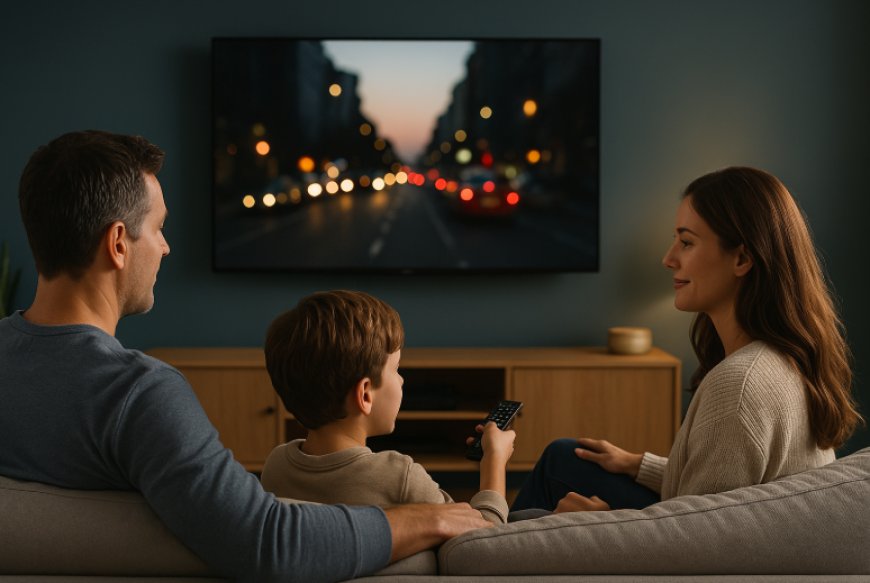
In an era dominated by smartphones, streaming platforms, and viral content, many assume that television has become obsolete. But the truth is far from that. While viewing habits have evolved, television remains a core pillar of mass communication and media economics—especially in countries with large, diverse populations.
From brand awareness to mass outreach, TV continues to play a critical economic role, particularly in sectors like consumer goods, political messaging, and event-based advertising.
Television: Still the King of Mass Reach
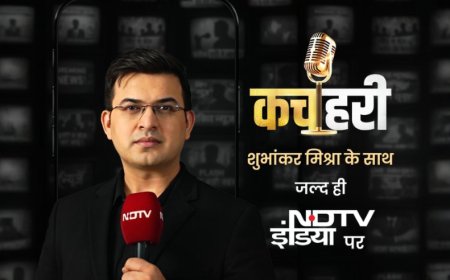
One of TV’s most valuable strengths is its unmatched reach. In countries like India, Brazil, and even the United States, television reaches millions daily—cutting across age, language, and geography. Digital platforms may offer targeted engagement, but television commands attention at scale.
For advertisers aiming to reach mass markets, such as FMCG brands or electoral campaigns, no medium delivers impact and credibility like a prime-time television slot.
The Economics of Scale and Trust
TV is often criticized for being expensive. And while it's true that airing a commercial during a major sports final comes with a hefty price tag, the return on investment (ROI) for such events is significant. That’s because TV builds brand salience—it doesn’t just sell products; it creates household names.
Unlike digital ads, which can be skipped, blocked, or ignored, TV commercials play out fully, often during high-attention moments like live sports or soap operas. The result is greater message retention, especially when paired with emotionally resonant content.
In terms of consumer trust, TV still leads. Studies repeatedly show that audiences perceive television as more credible and reliable than most online platforms—especially when it comes to news and advertising.
TV’s Role in Brand Building
TV isn't about instant clicks or direct conversions—it’s about long-term brand equity. Many iconic brands were built on the back of memorable TV ads that ran over years.
Whether it’s a detergent jingle, a festive emotional campaign, or a witty one-liner, television cements a brand in public memory. This kind of deep-rooted association is hard to replicate via digital banners or influencer collaborations.
Marketers know this. That’s why even digital-first companies like e-commerce platforms and fintech apps continue to allocate substantial budgets to TV. It gives them legitimacy, scale, and emotional connection—fast.
Event Programming: TV’s Secret Weapon
Live events, award shows, and sports tournaments remain some of the most watched programs worldwide, and TV is still the primary destination for such content. Platforms like YouTube or Instagram may provide highlights, but for real-time experiences—TV dominates.
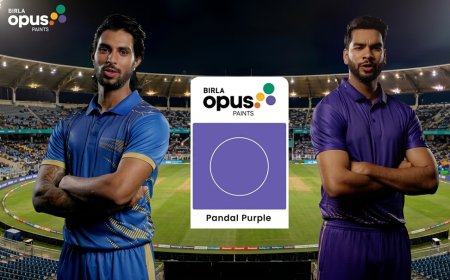
Consider the economics of sports broadcasting. Advertisers queue up and bid heavily for spots during cricket matches, football leagues, and the Olympics. These are moments of collective attention, where brands can maximize their visibility in a short span.
The same applies to political debates, national festivals, or cultural events. These occasions are TV-centric, bringing communities together—and drawing major advertising investments.
TV and Regional Power
In multilingual, multi-regional markets like India, regional TV channels thrive. Local news, serials, and entertainment content cater directly to community preferences—something national or global digital platforms often miss.
The economics here are compelling. Regional advertisers, SMEs, and political parties find television to be cost-effective and hyper-local, enabling them to reach the exact demographics they want, without needing advanced digital targeting tools.
Television networks have also grown smart—partnering with OTT platforms and using social media to amplify their content. Rather than dying, TV is integrating into the digital ecosystem, giving it even more staying power.
A Trusted Source in the Age of Misinformation
As misinformation spreads rapidly online, television news has regained trust. While not perfect, TV news channels are generally held to higher editorial standards compared to the free-for-all nature of online content.
For governments, public service campaigns, and emergency alerts, TV remains a critical information channel. During elections, natural disasters, or health crises, television ensures credible information reaches even remote regions.
This trust factor reinforces television’s institutional importance, especially in countries with diverse and varied media literacy levels.
Ad Innovation and Viewer Engagement
TV isn’t static—it’s innovating. Modern TV ads are now:
-
Shorter and more dynamic (6-second bumpers, interactive overlays)
-
Integrated into program content (branded shows or product placements)
-
Optimized for second screens, syncing with mobile apps or social media
Brands are experimenting with cross-channel strategies, where a campaign starts on TV and continues on digital platforms—creating a multi-platform narrative that enhances recall and engagement.
TV Is Complementary, Not Competing
A common misconception is that digital killed TV. In reality, TV and digital serve different purposes and often work best when used together. Smart marketers use TV for scale and brand trust, and digital for performance and feedback.
Instead of choosing one over the other, brands are embracing integrated media plans—acknowledging that each channel has its unique role in the consumer journey.
Conclusion: A Medium That Continues to Matter
Television might no longer be the only screen in our lives—but it’s far from irrelevant. In fact, its role as a massive reach platform, trust builder, and cultural unifier is more vital than ever.
What's Your Reaction?
 Like
0
Like
0
 Dislike
0
Dislike
0
 Love
0
Love
0
 Funny
0
Funny
0
 Angry
0
Angry
0
 Sad
0
Sad
0
 Wow
0
Wow
0