
































Why TV Still Reigns Supreme in Ad Engagement Over Social Media
Despite the rise of digital platforms, television remains the most effective medium for capturing consumer attention. A recent study shows that ad attentiveness on TV is 115% higher than on social media — a surprising insight in today’s screen-saturated world.

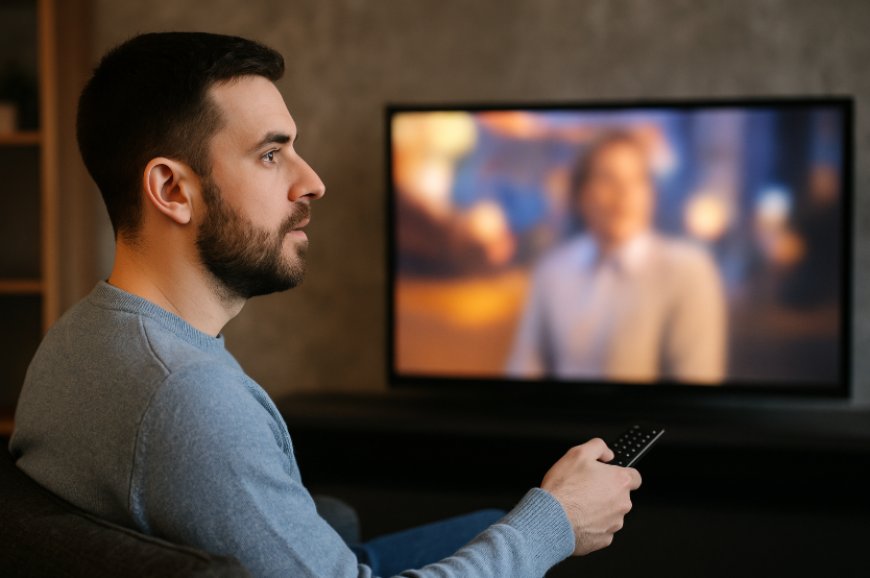
Introduction: Is Television Advertising Still Relevant?
In an age where everyone seems glued to smartphones and social apps, many would assume that digital platforms have eclipsed television in every way — including advertising impact. However, recent findings reveal a compelling truth: consumers are far more attentive to ads on TV than those on social media.
With 115% higher ad attentiveness observed on television compared to platforms like Instagram, Facebook, and YouTube, it's clear that the traditional medium still holds serious power when it comes to brand messaging.
Understanding Ad Attentiveness
Ad attentiveness refers to how focused and engaged a viewer is when an advertisement is shown. It’s a metric that matters deeply to marketers because high attentiveness means higher chances of message retention and conversion.
Where digital ads often compete with distractions — scrolling, notifications, and multitasking — TV advertising offers a more immersive and uninterrupted environment.
The Research Behind the Numbers
According to the study, conducted by a leading media analytics firm, television viewers were 115% more likely to give their full attention to ads compared to those watching content on social platforms.
Key highlights include:
-
Less distraction during TV ad breaks due to passive, lean-back viewing.
-
Larger screen sizes and shared viewing in homes, increasing message visibility.
-
Routine-driven consumption of TV (especially during prime time), giving advertisers predictable audience windows.
Why Social Media Ads Struggle for Attention
Despite high volumes of users, social media platforms pose significant challenges for ad engagement:
1. Short Attention Spans
Users scroll quickly, often skipping or swiping past ads unless they are instantly captivating.
2. Multitasking Behavior
People usually browse social media while doing other things — commuting, eating, or watching another screen — reducing focus on any single ad.
3. Ad Fatigue
Frequent exposure to similar ads across feeds can lead to banner blindness or active avoidance.
4. Muted and Skipped Ads
Autoplay videos with muted audio or “skip after 5 seconds” buttons allow users to disengage almost immediately.
TV’s Strength Lies in Passive but Focused Viewing
Interestingly, while TV is considered a passive medium, this works in favor of advertisers. Viewers are more likely to stay put during ad breaks, especially when watching with family or during high-stakes shows like live sports, reality TV, or serial dramas.
Unlike digital ads, TV spots can't be skipped — and when creatively produced, they often become memorable brand moments, sticking with viewers long after the screen fades to black.
The Opportunity for Marketers
For brands looking to build strong recall, TV advertising remains unmatched in terms of attentiveness and message clarity. It allows for:
-
Better storytelling with longer ad formats.
-
Mass reach across multiple demographics.
-
Stronger emotional connection through sight, sound, and context.
Rather than abandoning traditional media, brands should consider a balanced media mix that leverages the strengths of both TV and digital — combining reach with interactivity.
Conclusion: TV Still Delivers Where It Matters Most
While social media offers targeting, scale, and interactivity, it’s television that continues to win when it comes to undivided attention. In an era where consumers are bombarded with content, the ability to hold attention is gold — and right now, TV is still the most polished crown.
What's Your Reaction?
 Like
0
Like
0
 Dislike
0
Dislike
0
 Love
0
Love
0
 Funny
0
Funny
0
 Angry
0
Angry
0
 Sad
0
Sad
0
 Wow
0
Wow
0