
























KFC's ShaWOWrma With Sharma: Why This Campaign Hits Like a Six
KFC's Crispy ShaWOWrma Wrap campaign with cricketer Jitesh Sharma blends sport, humour and food — here's why this celebrity collab is a smart play for Indian QSR brands.


Introduction
What happens when a wicketkeeper known for explosive batting meets a wrap that is equally hard to ignore? You get one of the more cleverly crafted food campaigns to drop on Indian social media this season.
KFC India has always understood the power of irreverence. From its global "Finger Lickin' Good" legacy to locally tuned digital campaigns, the brand consistently finds ways to make fast food feel culturally alive. Its latest campaign for the Crispy ShaWOWrma Wrap — featuring cricketer Jitesh Sharma — is no different. And in a cluttered QSR market, that consistency is worth examining closely.
The Big Announcement
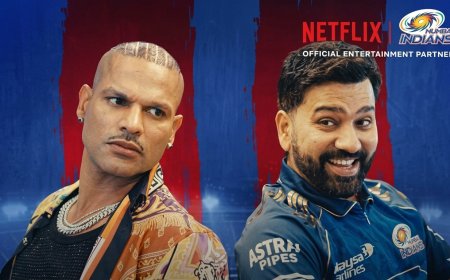
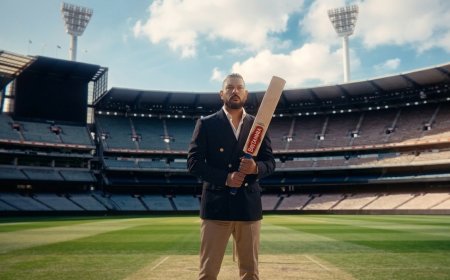
KFC India launched a digital campaign for its new Crispy ShaWOWrma Wrap, casting Bengaluru-based wicketkeeper-batsman Jitesh Sharma as the face of the product. The campaign film, released on Sharma's personal Instagram handle, takes a deliberately playful approach — showcasing a side of the cricketer his fans rarely see off the field.
The creative hook is built around a wordplay device: ShaWOWrma with Sharma. Simple, sticky, and instantly repeatable — exactly what a social-first campaign needs.
The video follows Sharma through a series of daily situations: training drills get interrupted, workouts take a backseat, and even bedtime is accompanied by the wrap. The tone is comic and self-aware, positioning the product not as an occasional indulgence but as an all-day companion.
Sharma described the wrap as hitting "like a six every time" — drawing a direct line between his on-field identity and the product's appeal around taste, ease, and convenience.
What This Means for Your Brand
The KFC-Jitesh Sharma collaboration is a tidy example of what modern celebrity marketing in India looks like when it is done right. A few things stand out for brand strategists paying attention.
First, the choice of Jitesh Sharma is deliberate and precise. He is not the biggest name in Indian cricket. He is, however, highly popular among the exact demographic that consumes digital content most — younger, urban, cricket-passionate audiences who follow players as much for personality as performance. KFC did not go for the safest name. They went for the right fit.
Second, the campaign was released on the cricketer's own Instagram rather than KFC's brand handle alone. This shifts the primary distribution to an already-engaged audience, making the content feel more organic than advertorial.
Third, the wordplay strategy — ShaWOWrma with Sharma — is a masterclass in mnemonic branding. It links the product name to a recognisable face in a way that makes recall almost effortless. Indian consumers, raised on cricket and catchy film dialogue, are primed for exactly this kind of linguistic hook.
The contrarian view worth raising: campaigns built entirely on personality association carry a dependency risk. If the ambassador's public image shifts — as often happens in cricket — the brand association travels with it. KFC would do well to ensure the product's own identity is strong enough to stand independent of any single face.
Expert Take
India's quick-service restaurant sector is one of the most competitive advertising environments in the country. Brands like McDonald's, Burger King, Subway, and a growing wave of homegrown chains are all fighting for the same stomach — and the same screen time.
According to industry estimates, digital ad spends in India's food and beverage sector crossed Rs 4,200 crore in 2024, with social-first campaigns accounting for a rising share of that investment. Influencer-led content, particularly when anchored by sports personalities, consistently outperforms traditional broadcast formats in engagement metrics among audiences aged 18 to 34.
What KFC has executed here is a snackable content strategy — short, shareable, personality-driven — that travels well across Instagram Reels and YouTube Shorts without requiring heavy media buying to perform. The campaign's humour does the distribution work that ad budgets would otherwise have to do.
The brands.in Perspective
ShaWOWrma with Sharma works because it does not take itself seriously — and that is increasingly rare in food marketing. Too many QSR campaigns in India default to aspirational lifestyle imagery: sunlit tables, gleaming ingredients, impossibly happy families. KFC went the other way. Messy training sessions. Interrupted workouts. Sleeping next to a wrap.
That creative honesty is more persuasive than any polished production. It mirrors how young Indians actually eat — on the move, between commitments, without ceremony.
The real lesson here is not about celebrity deals or wordplay. It is about knowing your consumer's actual life and building a campaign inside it, not above it.
Key Takeaways for Marketers
- Micro-fit matters more than macro-fame — choose brand ambassadors by audience alignment, not just follower count
- Releasing campaigns on the celebrity's own handle increases organic reach and reduces paid dependency
- Wordplay and mnemonic devices drive product recall in high-clutter categories like QSR
- Humour-led storytelling outperforms aspirational content with India's digital-native audiences
- Product campaigns should build an identity strong enough to outlast any single ambassador relationship
Frequently Asked Questions
Q: What is the KFC Crispy ShaWOWrma Wrap campaign about? KFC India launched a digital campaign featuring cricketer Jitesh Sharma to promote its new Crispy ShaWOWrma Wrap. The campaign uses humour, wordplay, and social media storytelling to position the product as a convenient, all-day snack for younger Indian consumers.
Q: Why did KFC choose Jitesh Sharma for this campaign? Jitesh Sharma's energetic on-field persona and strong following among younger cricket fans made him a strong fit for KFC's digital-first strategy. His personality aligned naturally with the campaign's playful, irreverent tone.
Q: How does celebrity marketing work for QSR brands in India? Celebrity partnerships help QSR brands break through content clutter by borrowing the ambassador's existing audience trust. When the creative execution matches the celebrity's natural persona, the content performs better organically and drives stronger product association.
Closing Thought
KFC turned a product launch into a cultural moment — and a cricketer's surname into a campaign tagline. Which brand in your industry is doing that level of creative work right now, and what is stopping your brand from getting there first?
Follow brands.in for daily brand intelligence, campaign breakdowns, and marketing insights built for India's most ambitious marketers.
What's Your Reaction?
 Like
0
Like
0
 Dislike
0
Dislike
0
 Love
0
Love
0
 Funny
0
Funny
0
 Angry
0
Angry
0
 Sad
0
Sad
0
 Wow
0
Wow
0