




























KISNA's 'Khushiyon Mein Nivesh' Redefines Akshaya Tritiya Marketing
KISNA's Akshaya Tritiya campaign 'Khushiyon Mein Nivesh' uses a child's curiosity to reframe jewellery as emotional investment. Here's what marketers can learn from it.

Introduction
What if the most powerful marketing move this Akshaya Tritiya wasn't about gold rates, discounts, or celebrity endorsements — but a child's curiosity? As Indian jewellery brands race to capture festive attention, KISNA Diamond and Gold Jewellery has chosen a quieter, deeper path. Their new campaign, 'Khushiyon Mein Nivesh', taps into something every Indian family already understands: that the truest investments aren't always financial. Here's why this campaign deserves a closer look from every marketer.
What Just Happened
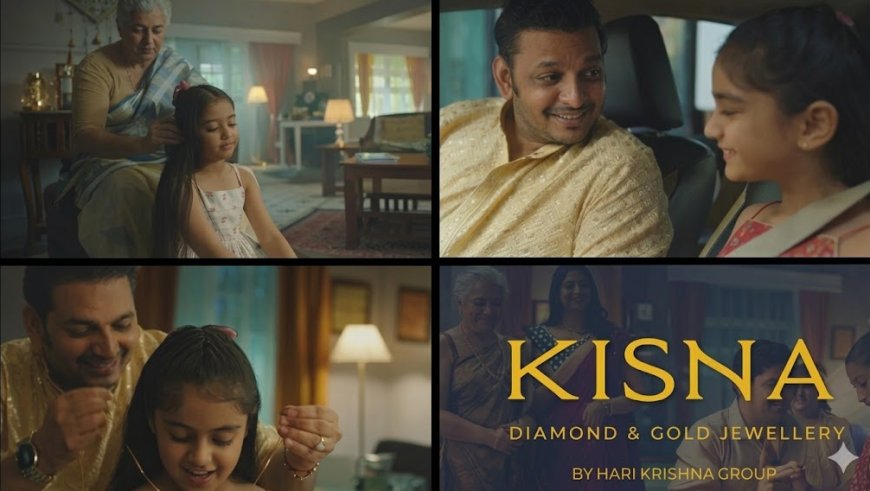
Ahead of Akshaya Tritiya 2026, KISNA Diamond and Gold Jewellery launched its festive campaign titled 'Khushiyon Mein Nivesh' — translating to 'investing in happiness'. The brand chose a slice-of-life storytelling approach rather than the conventional showcase of jewellery designs and price points.
The campaign film opens on the morning of Akshaya Tritiya within a warm family home. A young girl poses a deceptively simple question to her grandmother: what does 'Akshaya' actually mean? The grandmother explains that 'Akshaya' refers to something that never diminishes — it only grows. The child pushes further, wondering aloud how a car becomes outdated over time, then how can anything truly be 'Akshaya'?
Her curiosity carries the narrative forward. The family visits a KISNA showroom together, where the father reframes the concept beautifully — that they are investing not in objects, but in joy itself. The film concludes back home, where the little girl receives a delicate pendant and, in a quiet moment of realisation, whispers "Akshaya." The campaign features actor Paritosh Tripathi and will run across digital platforms backed by social media amplification. KISNA has also introduced festive offers across its product range for the occasion.
What This Means for Your Brand
Akshaya Tritiya is not just a cultural moment — it is a commercial one. For KISNA, the festival contributes an estimated 15–18% of its annual revenue, making it one of the brand's most critical selling windows.
What makes this campaign strategically interesting is the choice to lead with meaning over merchandise. Most jewellery advertising during festive seasons focuses heavily on product aesthetics, pricing, and offer mechanics. KISNA has deliberately moved the conversation upstream — towards the why of buying, rather than the what.
For Indian brands across categories, this signals an important shift: festive campaigns that anchor themselves in cultural truth tend to earn deeper consumer trust. A parent buying jewellery for a child during Akshaya Tritiya is not purely making a financial decision — they are participating in a ritual of continuity and hope. By making a child the central voice of the campaign, KISNA democratises that emotion across age groups and family structures.
The contrarian question worth asking: does an emotional campaign convert during a high-intent, price-sensitive festival? The risk is real — but brands that own emotional territory during festive seasons often build loyalty that outlasts any single purchase cycle. KISNA appears willing to take that bet.
Expert Take
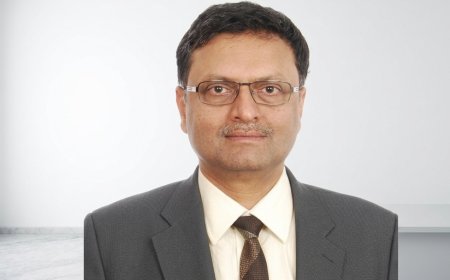
Ghanshyam Dholakia, Founder and Managing Director of Hari Krishna Group and KISNA, articulated the brand's intent clearly: the campaign was built to bring the meaning of Akshaya Tritiya alive in a simple and relatable way, reflecting how happiness and togetherness are values that grow over time.
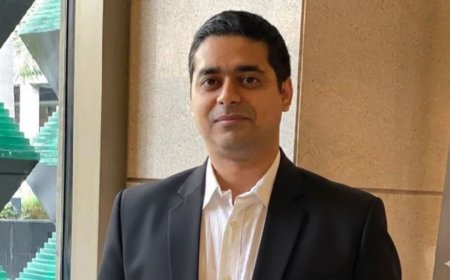
Parag Shah, CEO of KISNA, added that the brand believes jewellery is deeply connected to emotions and the moments people hold close. The choice to narrate this through a child's perspective was intentional — children ask questions that adults have stopped asking. That curiosity becomes the vehicle for reintroducing the audience to a belief system they already hold, but rarely articulate.
From a data standpoint, Akshaya Tritiya remains one of the two peak jewellery-buying windows in India alongside Dhanteras, with jewellery purchases often accounting for a significant share of household discretionary spending in April–May. A campaign that reframes purchase intent as an act of emotional investment — rather than financial speculation — speaks directly to this cultural undercurrent.
The brands.in Perspective
The Indian jewellery market has been cluttered with campaigns that treat Akshaya Tritiya purely as a sales event. KISNA's 'Khushiyon Mein Nivesh' is a reminder that the most enduring brand equity is built by aligning with what consumers already feel — not by telling them what to feel. The child's pendant at the end is not the climax of a product story. It is the conclusion of an emotional argument. And that is a far more sophisticated marketing move than any discount banner.
Key Takeaways for Marketers
- Emotional storytelling builds long-term brand recall beyond a single festive cycle
- Akshaya Tritiya drives 15–18% of KISNA's annual revenue — high stakes demand strategic creativity
- A child's curiosity is a powerful narrative device for reintroducing cultural meaning
- Festive campaigns that lead with why over what tend to earn deeper consumer trust
- Digital-first distribution makes emotional campaigns scalable without heavy media spends
FAQ
What is the central message of KISNA's 'Khushiyon Mein Nivesh' campaign? The campaign positions jewellery as an investment in happiness and lasting memories rather than a purely financial asset, using a child's perspective to explore the meaning of Akshaya — something that never diminishes.
Why is Akshaya Tritiya significant for KISNA as a business? The festival contributes approximately 15–18% of KISNA's annual revenue, making it one of the brand's most important consumer engagement and sales windows of the year.
How does this campaign differ from typical jewellery advertising in India? Rather than focusing on product design, price offers, or celebrity appeal, KISNA chose a slice-of-life family narrative centred on emotional value and cultural meaning — a less common but increasingly effective approach in the festive jewellery category.
Closing
Does your brand's festive strategy speak to what consumers believe, or just what they buy? KISNA's latest campaign makes a compelling case for the former. We'd love to know — what festive campaigns have moved you as a marketer this season? Share your thoughts below, and follow brands.in for daily brand intelligence that keeps you ahead of the curve.
What's Your Reaction?
 Like
0
Like
0
 Dislike
0
Dislike
0
 Love
0
Love
0
 Funny
0
Funny
0
 Angry
0
Angry
0
 Sad
0
Sad
0
 Wow
0
Wow
0