



























Ventes Avenues Bets Big on Data, CTV & Martech in 2026
Ventes Avenues is making a bold strategic shift toward first-party data, connected TV, and proprietary marketing technology. With Balamurugan Mani and Fauzan Abdul Rahim taking leadership, the Mumbai-based adtech firm is building an integrated, privacy-first advertising framework. Here's what this transition means for Indian brands navigating a cookie-less, measurement-driven digital landscape in 2026.


Introduction
What happens when the rules of digital advertising change overnight? Indian brands scramble — or they get ahead of the curve. As third-party cookies fade and privacy regulations tighten, adtech firms are being forced to rebuild from the ground up. Ventes Avenues just made a bold move that signals exactly where the industry is headed. Here's why every CMO and media planner in India should pay attention.
The Big Announcement
Mumbai-based adtech and digital marketing firm Ventes Avenues has announced a significant strategic pivot — expanding its focus toward first-party data collaboration, connected TV (CTV) ecosystems, premium media supply, and proprietary marketing technology.
The announcement, made in March 2026, also confirmed a leadership transition. Co-founder Niloufer Dundh has stepped down from her operational and board responsibilities following a mutually agreed transition. The company acknowledged her foundational contributions and wished her well.
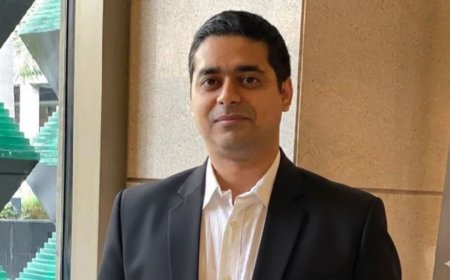
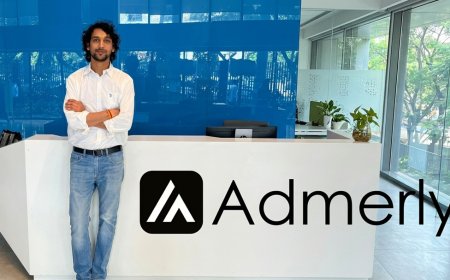
Taking the helm are Balamurugan Mani and Fauzan Abdul Rahim, who will steer Ventes Avenues toward a product-led operating model with deeper technology integration across media, data, and campaign execution.
As Balamurugan Mani put it: the focus is now squarely on equipping brands with structured first-party data frameworks, premium supply access, and technology-driven execution built for measurable growth.
What This Means for Your Brand
This isn't just a company reshuffle — it's a mirror held up to the entire Indian digital advertising ecosystem.
Three implications stand out:
1. First-party data is no longer optional. Brands that have been delaying their data strategy are running out of time. Ventes Avenues' pivot toward privacy-compliant data activation signals that the infrastructure is now ready — brands just need to show up with their own data.
2. CTV is entering the mainstream media plan. Through OEM-led connected TV integrations, brands can now access large-screen inventory with digital-style targeting. For a country where smart TV adoption is surging in Tier 1 and Tier 2 cities alike, this is a massive unlock for upper-funnel campaigns.
3. Influencer marketing is growing up. Fauzan Abdul Rahim's focus on Social Tweebs — a structured influencer intelligence platform — points to a future where creator campaigns are measured with the same rigour as performance ads. No more gut-feel influencer decisions.
Here's the contrarian take: brands that wait for "the right time" to build first-party data infrastructure will find themselves dependent on intermediaries forever. The window to own your audience is narrowing fast.
Expert Take
India's digital advertising market is projected to cross ₹60,000 crore by 2027, with programmatic and data-driven buying accounting for a growing share. Yet fewer than 30% of Indian brands have a structured first-party data strategy in place — a gap that platforms like Ventes Avenues are now explicitly targeting.
Fauzan Rahim captured the industry mood well: creator-led marketing must integrate seamlessly with broader media and performance frameworks — not exist as a separate, siloed budget line. This reflects a broader global trend where integrated measurement is becoming the baseline expectation, not a premium offering.
For Indian brands operating across e-commerce, fintech, gaming, and consumer tech, this kind of unified infrastructure — combining DSP capabilities, influencer tech, and CTV access — represents a genuine step forward.
The brands.in Perspective
Ventes Avenues' strategic shift is a case study in reading the room correctly. While many adtech players are still selling yesterday's solutions, this company is building for a privacy-first, measurement-obsessed future. The leadership transition adds urgency — and opportunity. Whether this pivot pays off will depend on execution speed and how quickly Indian brands are willing to move beyond spray-and-pray media buying. The direction is right. The pressure is on.
Key Takeaways for Marketers
- First-party data strategies are now a competitive necessity, not a nice-to-have
- CTV via OEM partnerships opens scalable, targetable large-screen inventory
- Influencer marketing must integrate with performance measurement frameworks
- A proprietary DSP offering signals a push toward end-to-end brand control
- Leadership transitions often accelerate product innovation — watch this space
FAQ
Q: What is first-party data and why does it matter for Indian brands? First-party data is information collected directly from your own customers — via apps, websites, or loyalty programmes. As third-party cookies phase out, it becomes your most reliable, privacy-compliant targeting asset.
Q: What is Connected TV (CTV) advertising? CTV refers to ads served on internet-connected televisions via smart TVs or streaming devices. It combines broadcast-scale reach with digital targeting precision — ideal for brand and performance campaigns.
Q: Who are Balamurugan Mani and Fauzan Abdul Rahim? They are the new leadership duo at Ventes Avenues, guiding the company's transition toward a product-led, technology-integrated model focused on data, CTV, and influencer marketing infrastructure.
Let's Talk
Is your brand ready for a world without third-party cookies — or are you still figuring it out? Drop your thoughts below.
Follow brands.in for daily brand intelligence, marketing news, and adtech insights that keep India's marketing leaders a step ahead.
What's Your Reaction?
 Like
0
Like
0
 Dislike
0
Dislike
0
 Love
0
Love
0
 Funny
0
Funny
0
 Angry
0
Angry
0
 Sad
0
Sad
0
 Wow
0
Wow
0