



















IPL 2026 Ad Revenue at Risk: Middle East Crisis Threatens ₹250 Crore
The Middle East conflict is threatening ₹200–250 crore of IPL 2026 advertising revenue as Gulf-based brands pause their spending commitments. Airlines, tourism boards, oil majors, and real estate developers from the region are holding back ahead of the March 26 tournament launch. Yet industry experts remain optimistic. Domestic Indian brands in automobiles, FMCG, and technology are already positioned to fill the gap. Here is what every Indian marketer and media planner needs to know right now.

Introduction
What happens when the world's most watched cricket tournament collides with a geopolitical crisis halfway across the globe? That is the uncomfortable question facing Indian broadcasters and advertisers right now. The Middle East conflict has put Gulf-based brands — some of IPL's most enthusiastic advertisers — in a difficult position. With IPL 2026 kicking off on March 26, the clock is ticking. The stakes? Potentially ₹200 to ₹250 crore in ad revenue hanging in the balance.
What Just Happened
The ongoing Middle East conflict, triggered by US-Israel strikes on Iran and subsequent retaliatory exchanges, has sent shockwaves through the Gulf's business environment. Airspace across the UAE, Qatar, and Kuwait has faced temporary shutdowns. Security concerns have reached cities like Dubai and Abu Dhabi — places previously considered largely insulated from regional tensions.
For IPL 2026, this matters enormously. Several Gulf-based brands have built significant advertising presences around the tournament over recent years. Real estate developers, airlines, tourism boards, oil majors, and logistics companies from the region have all invested heavily in IPL's unmatched reach across Indian and South Asian audiences.
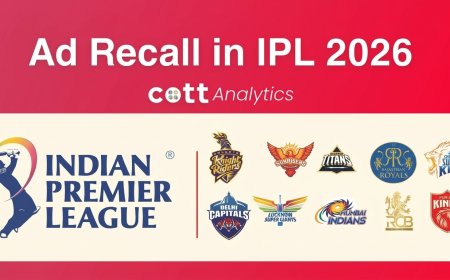
Industry estimates now suggest the crisis could erase between ₹200 crore and ₹250 crore in Middle Eastern advertiser spending from IPL 2026 — against a total projected advertising revenue of approximately ₹4,900 crore for the tournament. Some brands are already holding back commitments, particularly for the tournament's first half, until regional stability returns.
What This Means for Your Brand
For Indian marketers and media planners, this situation opens up a set of both risks and unexpected opportunities worth examining carefully.
For JioStar, the broadcast rights holder, the immediate pressure is real. Losing Gulf advertisers — even temporarily — creates inventory gaps during one of the highest-rated broadcast windows of the year. However, industry voices suggest at least half of that vacant inventory could be absorbed by domestic categories including artificial intelligence companies, beverages, paints, and consumer goods brands.
For Indian advertisers sitting on the fence, this is a rare opening. Premium IPL inventory that would ordinarily be locked up by well-funded Gulf brands may suddenly become available — potentially at negotiable rates. Categories like automobiles, which are reportedly performing strongly in 2026, could step into this gap quickly.
For Gulf brands themselves, the dilemma is strategic. Pulling out signals instability. Staying in signals confidence. Some brands may deliberately choose to maintain their IPL presence precisely to reassure Indian and diaspora audiences that business continues normally.
The contrarian view worth considering: if the conflict normalises before March 26, the panic may prove entirely premature — and brands that committed early could end up with the best deals.
The Numbers Behind the News
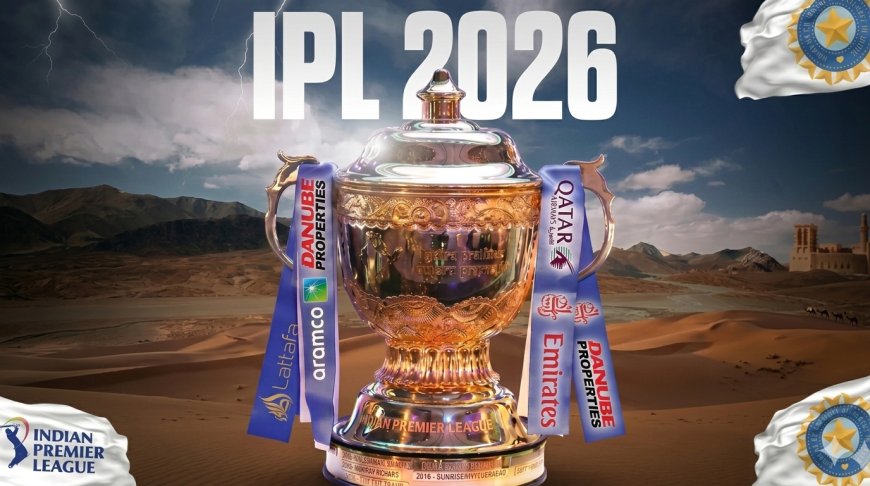
The scale of Middle Eastern brand investment in IPL over recent years makes this story significant beyond a single season. UAE-based Danube Properties signed on as a Co-Powered By sponsor on Star Sports last year, while Lattafa Perfumes became the first international retail brand to advertise on JioStar's IPL broadcasts.
On the team sponsorship side, Emirates, Etihad Airways, Qatar Airways, and Turkish Airlines have all partnered with IPL franchises. Saudi Tourism Authority became an official BCCI partner in 2023. Saudi Aramco joined in 2022 as sponsor of the prestigious Orange Cap and Purple Cap titles.
These are not casual advertisers. They represent multi-year strategic commitments to India as a market. The broader context: India's South Asian diaspora — heavily concentrated in Gulf nations — makes IPL one of the few global properties that serves Gulf brands' domestic and international audiences simultaneously. That dual value is hard to replace.
The brands.in Perspective
Here is the bigger story underneath the numbers. The Middle East crisis is not just a temporary revenue dent for JioStar — it is a stress test for IPL's much-celebrated globalisation narrative. For years, the league's ability to attract premium international advertisers has been held up as proof of India's growing commercial power. A sudden Gulf advertiser exodus, however brief, exposes a concentration risk that BCCI and broadcasters would be wise to address structurally. Diversifying the international advertiser base beyond the Gulf — towards Southeast Asia, North America, and Europe — is no longer optional. It is urgent.
Key Takeaways for Marketers
- ₹200–250 crore in Gulf ad spend faces uncertainty ahead of IPL 2026 launch
- Domestic brands in auto, FMCG, and tech could capitalise on available premium inventory
- Team-level sponsorships like Etihad-CSK are expected to continue regardless of conflict
- Sentiment-driven advertising in India means prolonged conflict poses the bigger long-term risk
- IPL's South Asian diaspora appeal makes it too valuable for Gulf brands to abandon permanently
FAQ
Q: How much IPL 2026 ad revenue is at risk due to the Middle East conflict? Industry estimates suggest between ₹200 crore and ₹250 crore of advertising spend linked to Middle Eastern brands could be affected. This is against IPL 2026's total projected ad revenue of approximately ₹4,900 crore.
Q: Will team sponsorships from Gulf brands like Etihad also be affected? Unlikely in the short term. Team-level partnerships such as Etihad Airways sponsoring Chennai Super Kings are long-term commitments with jerseys and creatives already finalised. These are expected to continue irrespective of the geopolitical situation.
Q: Which Indian categories could fill the advertising gap left by Gulf brands? Industry experts point to artificial intelligence companies, beverages, paints, consumer goods, and the automobile sector as categories well-positioned to absorb any inventory made available by Gulf advertiser pullbacks.
Let's Talk
If Gulf brands step back from IPL 2026, should Indian advertisers see this as a threat to the league's premium value — or the opportunity of the decade to grab world-class inventory at competitive rates?
Share your perspective below. Follow brands.in for daily brand intelligence, campaign analysis, and advertising insights that keep Indian marketers one step ahead.
What's Your Reaction?
 Like
0
Like
0
 Dislike
0
Dislike
0
 Love
0
Love
0
 Funny
0
Funny
0
 Angry
0
Angry
0
 Sad
0
Sad
0
 Wow
0
Wow
0